Welcome to your ultimate guide on navigating the digital marketplace safely. Online shopping offers incredible convenience, but it also requires a sharp eye for detail. Learning how to protect your purchases is the first step toward a worry-free experience.
Identifying a secure website is crucial before you enter any payment information. Fraud and financial loss are real risks in the modern world. However, understanding simple security fundamentals allows you to shop with confidence and ease.
This guide empowers you with practical knowledge about credit card security and website verification. We will cover essential red flags and the best practices for every transaction. Both new and experienced shoppers will benefit from learning about evolving cyber threats.
Our goal is to provide actionable strategies for every person making online purchases. By the end of this guide, you will know exactly how to spot legitimate merchants. Always keep your credit card details secure while enjoying the best deals available online.
Understanding Online Shopping Security in Today’s Digital Marketplace
Navigating the modern e-commerce landscape requires a solid grasp of how your financial data stays protected. Today, millions of Americans trust digital transactions for their daily purchases. This shift toward online buying makes it essential to recognize the security measures guarding your credit card information.
E-commerce growth has been massive, but it invites digital threats like data breaches and phishing. These risks are common in the digital marketplace. Understanding these dangers helps you make safer purchases every time you browse for goods online.
Secure websites use multiple layers of protection to shield your data from the moment you land on a web page. Tools like encryption and firewalls work together to keep hackers away. Using a reliable credit card offers a strong defense against any unauthorized activity.
| Security Threat | Brief Description | Protective Action |
|---|---|---|
| Phishing | Fake sites designed to steal data. | Verify the URL carefully. |
| Data Breaches | Theft of data from a server. | Use a card with protection. |
| Fake Stores | Sites that never ship products. | Check reviews before buying. |
Security is a shared responsibility between you, the merchant, and the payment processor. Reputable businesses invest heavily in digital infrastructure to keep your card details safe. They understand that customer trust is the foundation of online shopping.
You should stay informed about the evolving technologies your credit provider implements. Modern card issuers use advanced monitoring to spot suspicious patterns instantly. These systems help stop fraud before it can affect your personal finances.
Always look for safety indicators before entering your credit card numbers on a checkout page. A secure credit environment depends on both smart technology and alert shoppers. Look for the padlock icon in your browser bar to verify security.
Protecting your credit card limit starts with choosing where to shop. Keeping your card details private is the best way to enjoy safe online purchases. Only provide information to sites you truly trust and recognize.
Most credit companies now offer real-time alerts for every transaction you make. Choosing a reputable credit issuer is a smart move for any digital shopper. These tools empower you to shop with confidence on any platform.
Essential Website Security Indicators to Check Before Purchasing
You can easily identify a legitimate merchant by looking at a few key areas of their website. Before typing your credit card details, check the browser address bar. A secure site starts with “HTTPS” rather than just “HTTP” and displays a small padlock icon. This indicates the site uses SSL/TLS certificates to encrypt your data during transmission.
High-quality design and proper grammar often signal a professional business. If a site looks messy or has many spelling errors, rethink your card transaction. Real companies invest in their online presence to gain your trust and ensure a smooth user experience.
Always visit the privacy policy page before you buy. This document explains how the merchant handles your personal information. It ensures your data remains private and is not sold to unauthorized third parties without your consent.
Look for trust badges from organizations like Norton, McAfee, or the Better Business Bureau. Be careful, as some scammers use fake credit card logos or security seals. A real badge should lead to a verification page from the security provider when you click it.
| Security Marker | Detection Method | Customer Benefit |
|---|---|---|
| Data Encryption | HTTPS and padlock icon | Safe credit card entry |
| Price Transparency | No hidden fees listed | Protected purchases |
| Merchant Identity | Verified card symbols | Trustworthy business |
| Support Access | Real phone and address | Secure card usage |
Check for a clear physical address and a working phone number. A trustworthy merchant provides several ways to reach customer service. This transparency helps protect you from hidden fees during your purchases and shows the business is reachable.
Finally, read the refund and return page thoroughly. You should know exactly how to get your money back if something goes wrong. Understanding these terms before you use your card is essential for consumer protection. Using a credit card for online purchases provides a safety net if a seller is dishonest or the product is faulty.
How Your Credit Card Protects You During Online Shopping
When you shop online, your credit card acts like a personal bodyguard for your hard-earned money. Most major issuers offer policies with zero fraud liability. This means you never take responsibility for unauthorized purchases made by thieves.
This protection creates a vital buffer between your actual bank balance and the merchant. Unlike debit cards, a credit card does not pull funds directly from your checking account. This separation keeps your cash safe while the card issuer investigates any suspicious activity.
You can credit card learn how to use these security layers to your advantage. Modern card technology uses advanced encryption and tokenization to hide your real data during a transaction. Many issuers also provide real-time monitoring to catch unusual patterns instantly.
To credit card learn about your rights, look at your issuer’s dispute resolution process. If you spot an error, you can utilize your credit rights to initiate a chargeback. This credit feature allows you to remove the charge from your statement balance temporarily.
Taking time to credit card learn about your specific benefits helps you shop with total confidence. By using your card wisely, you harness powerful systems built to stop identity thieves. These robust credit protections make every one of your online purchases significantly safer.
Using a credit account means you have a team of experts watching your back. This card security is a standard feature that protects your financial health. Every one of your purchases carries the backing of a credit issuer that values your security.
The card company works hard to keep your digital life private and secure. This is why a credit card remains the gold standard for web transactions. Having a credit card account gives you peace of mind. The credit card issuer stands by you if anything goes wrong. Finally, your credit card provides the ultimate safety net.
Red Flags That Signal an Unsafe Shopping Website
Before you decide to pull out your wallet, you must understand the subtle clues that suggest a website is unsafe. If a deal looks too good to be true, it usually is. Fraudsters often use suspiciously low prices to lure shoppers into sharing their credit card numbers.
Professional stores take pride in their appearance and functionality. If a website has broken links, a messy layout, or many typos, you should be careful. These unprofessional details often signal a fraudulent operation rather than a legitimate business.
Always verify the contact information before you buy. Watch out for non-working phone numbers or generic email addresses from free providers. A real company will almost always list a physical address and have a responsive customer service team.
Scammers love to use pressure tactics to stop you from thinking clearly. They use countdown timers and urgent messages like “Limited Stock!” to force a hasty decision. Strong security practices involve taking your time to verify a site before paying.
Be wary of sites that ask for unnecessary personal data. They should not need your credit score or Social Security number for a simple purchase. Only provide the basic information required to process your card payment securely.
Look closely at the checkout page for any unexpected fees. Dishonest merchants often hide these extra fees until the very last second. You should also avoid any site that has a vague or missing return policy.
Check the URL bar for a padlock icon to ensure the site uses HTTPS encryption. If you see security certificate errors on the payment page, your credit card data is at risk. Never ignore these technical warnings from your browser.
Protecting your credit card information starts with trusting your instincts. If something feels wrong, leave the site and protect your card from potential theft. Regularly check your credit report to ensure your identity remains safe.
| Feature | Safe Website | Unsafe Website |
|---|---|---|
| Pricing | Market standard prices | Unrealistically low |
| Cost Clarity | No hidden fees | Hidden costs at checkout |
| Payment Info | Uses secure card portal | Asks for credit data over email |
Advanced Security Features in Modern Credit Cards
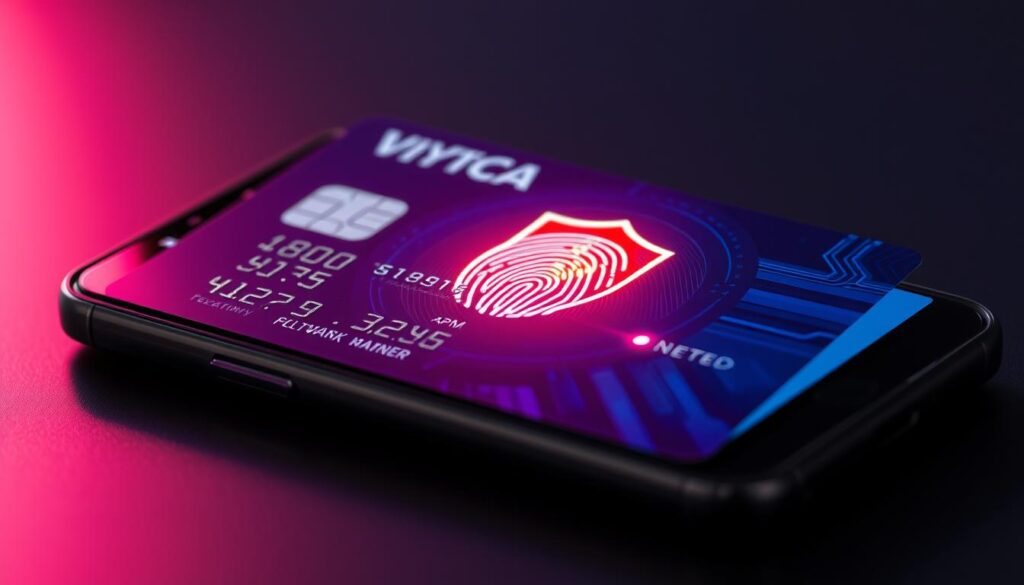
Staying safe while shopping online is easier when you understand the advanced security features of your credit card. Many issuers now offer virtual card technology that generates temporary numbers for your online purchases. This keeps your actual credit details hidden from hackers and identity thieves during checkout.
Your account stays safe because you can verify your identity with two-factor authentication or biometrics. Fingerprint and facial recognition add extra layers of security to mobile transactions and banking apps. Modern cards often use AI-powered systems to spot unusual patterns across a huge portfolio of users.
Major issuers like Discover offer free Social Security number alerts to protect your identity from broader threats. You also enjoy $0 Fraud Liability protection across various rewards programs to keep your money safe. These benefits ensure that you can keep earning rewards without worrying about unauthorized charges on your account.
If you misplace your card, you can use a mobile app to freeze your account immediately. Real-time text or email alerts help you monitor every credit card transaction as it happens on your phone. This allows you to catch errors and maintain your rewards balance with total confidence.
These features combine to create multiple layers of defense for your credit profile. You get peace of mind while focusing on accumulating rewards points on every legitimate purchase you make. Using a secure credit card is one of the best ways to shop online today.
Always check your rewards statement to ensure your credit history remains accurate and healthy. With a reliable card, your path to earning rewards is both profitable and highly secure. Your credit card works hard to protect your card and your credit during every single click.
Verifying Merchant Legitimacy Before Making a Purchase
Before clicking “buy,” smart shoppers perform a quick background check on the website to ensure the business is legitimate. You should research unfamiliar stores through platforms like the Better Business Bureau or Trustpilot. Checking these sites before entering your credit card information helps you spot scammers immediately.
Always look for a clear social media presence with real customer interaction. Genuine engagement often signals a credible business with actual human representatives. You can also verify their registration through state government databases to confirm they operate legally.
This simple step protects your credit and personal identity from sophisticated online theft. Taking a moment to look up a business license can prevent future financial stress.
| Verification Step | What to Check | Why It Matters |
|---|---|---|
| Review Sites | BBB and Trustpilot | Identifies fraud patterns |
| Customer Service | Response speed | Tests professionalism |
| Official Policies | The terms of service | Ensures legal protection |
A great way to test a store is to contact their customer service with a simple question. If they respond quickly, you can feel more confident about your application of funds. Reliable companies usually answer within one business day.
Make sure the terms and privacy policies are detailed and protect your consumer rights. A valid credit card account stays safer when you know exactly who you are paying. Avoid sites that have vague or missing policy pages.
Check for recent reviews to identify patterns of shipping delays or hidden fees. You want to ensure your credit profile remains healthy and free from disputes. Only proceed if the card payment occurs through a recognized, secure platform.
The application of these steps keeps your card information private and secure. Taking time to verify a merchant protects your credit card account from potential fraud. It is always better to be cautious than to deal with a stolen identity later.
Use a credit card for the best protection against dishonest sellers. This simple card check keeps your credit score safe from damage. Always keep your card handy but only use it on sites you truly trust.
Best Types of Credit Cards for Secure Online Shopping
Finding the best credit cards for online shopping 2024 requires looking at both safety features and earning potential. Choosing the right tool for web purchases means finding a credit card that guards your data while earning you rewards.
Many options, like the Discover it® card, offer a solid rewards credit experience without an annual fee. For those starting over, a Discover it® Secured credit card helps you build credit while keeping your transactions safe.
Every rewards credit card provides added value through points or cash back. These rewards credit options often include a sign-up bonus to boost your earnings right away.
A cash back credit card returns a percentage of your spending. You get the same strong fraud protections as any other credit card while earning cash back on every purchase.
Discover cards specifically offer an unlimited cash back Match for new cardmembers. This bonus effectively doubles all the rewards you earn at the end of your first year.
Some cards offer a 0% intro apr period for new purchases. This intro apr gives you the flexibility to pay for large items over time without interest.
Premium rewards credit programs often feature a larger bonus and extra safety nets like purchase protection. These rewards credit plans might have an annual fee, but the rewards usually outweigh the cost.
Student rewards credit options help young shoppers learn responsible habits while shopping online. These rewards credit tools combine cash back earning with comprehensive security features.
Using a rewards credit card is much safer than using a debit card. All major credit cards provide superior protection against unauthorized charges.
Comparing cards based on the annual fee and rewards credit structure helps you find the perfect fit. Look for a bonus that matches your spending and an intro apr that fits your budget.
No annual fee cash back options are perfect for cost-conscious shoppers. They provide rewards on every purchase without any extra costs beyond what you spend.
Always review the rewards credit terms before you apply for a new card. The right rewards credit choice keeps your money safe and your wallet full.
Payment Methods Compared: Why Credit Cards Are Safer Than Debit Cards
Understanding the split between bank-linked tools and borrowing lines helps you stay safe during every digital checkout. A credit card allows you to use the issuer’s money for your purchases. In contrast, a debit card pulls money directly from your bank account balance.
If someone steals your details, a credit card transaction impacts a credit line instead of your cash. This provides a vital financial buffer. Your actual account balance remains untouched while you resolve the issue with the bank.
Federal laws provide superior dispute rights for a credit card compared to debit purchases. If you notice a mistake, the law limits your liability and offers faster resolution times. This protection ensures you are not held responsible for unauthorized transactions on your card.
| Feature | Credit Card | Debit Card |
|---|---|---|
| Source of Funds | Issuer’s Money | User’s Bank Balance |
| Fraud Impact | Uses Credit Line | Drains Cash |
| Dispute Rights | Strong Federal Law | Limited Protection |
Using a debit card for online purchases can be risky. Fraudulent charges might leave you without funds for bills while the bank investigates the credit or refund. This creates immediate financial hardship that is easily avoided.
A credit card keeps your primary bank account private from merchants. Most issuers also offer credit through zero-liability policies that protect you better than standard bank tools. This adds an extra layer of privacy for every transaction.
Using these tools keeps your balance safe while you build your credit history. You can also earn rewards on all purchases at the same time. This combination offers the maximum security available for modern shoppers.
Recognizing and Avoiding Phishing Sites and Fake Stores
Spotting a phishing page is easier when you know the sneaky tricks scammers use to mimic famous brands. These cybercriminals create fake storefronts that look exactly like legitimate retailers to steal your credit card information. They often use misspelled domain names that look almost identical to trusted sites.
Always verify the URL carefully before entering any sensitive data. Check for the correct spelling and domain extensions of your favorite stores. If you receive an unsolicited email, do not click the links provided inside the message.
These messages often lead to a fake shopping page designed to harvest your account credentials. Instead, type the website address directly into your browser. This simple habit keeps your card data away from malicious actors.
Fake stores might copy a site’s design, but they often use insecure payment forms. Your credit security depends on you noticing these small, suspicious details. Be wary of any pop-up windows asking for your card details suddenly.
Legitimate merchants never collect payment information through pop-up windows. You can protect your future purchases by bookmarking the official websites you use most often. Using a credit card provides an extra layer of safety for your wallet if something goes wrong.
If you accidentally enter card info on a bad page, contact your bank immediately. You can often dispute unauthorized purchases made with a credit card. Keep your credit history safe by staying alert to these digital traps.
Ensure your account stays secure by double-checking every link before you pay. A secure credit card environment is built on vigilance and smart habits. Use your card only on sites you have verified as authentic and trusted.
| Feature | Legitimate Store | Phishing Site |
|---|---|---|
| URL Structure | Correct spelling (e.g., brand.com) | Misspellings (e.g., brrand-deals.com) |
| Payment Method | Secure, encrypted gateways | Unsecured forms or pop-up windows |
| Contact Info | Valid phone, email, and address | Missing or generic “Contact Us” forms |
| Source Link | Directly typed or bookmarked | Unsolicited emails or social ads |
Secure Payment Practices for Every Online Transaction
Mastering secure payment habits ensures your sensitive data remains hidden from prying eyes during every checkout. Start by avoiding public WiFi when making purchases with your credit card. Instead, use a private, password-protected network to keep your credit details safe. Always check the browser address bar on the checkout page for the “HTTPS” prefix to confirm a secure connection.
Using digital wallets like Apple Pay or Google Pay offers a significant layer of credit protection. These services use tokenization, which means they never share your actual card number with the merchant. It is wise to avoid saving your credit card information directly on retail sites. Entering your details for every one of your purchases limits your exposure if a store experiences a data breach.
Managing your online account requires strong security measures to prevent identity theft. Create a unique, complex password for every shopping account you use to stop hackers from accessing multiple sites. Enable two-factor authentication to add an extra verification step that protects your profile. Always log out of your account completely after finishing your purchases, especially when using shared computers.
Review your monthly credit statement frequently to spot any unauthorized purchases immediately. If you see a strange charge, contact your credit card issuer right away to dispute it. Finally, keep your computer and mobile browsers updated with the latest security patches. These updates fix holes that might compromise your card safety or leak info on a payment page.
| Security Practice | Main Benefit | Recommended Action |
|---|---|---|
| Digital Wallets | Hides actual card numbers | Use Apple or Google Pay |
| Two-Factor Auth | Prevents login theft | Enable in credit settings |
| Statement Review | Catches fraud early | Verify all purchases weekly |
| Private WiFi | Protects credit card data | Avoid public hotspots |
Understanding Your Credit Card Account Security Features
Your credit card account is packed with security features that can protect your money and your credit score. You can easily navigate to your online settings to customize fraud alerts and notification preferences. These credit notifications keep you informed about every transaction in real-time.
You can set up alerts for large purchases or receive international usage warnings immediately. This helps you monitor your account activity and spot errors before they become major problems. Staying proactive ensures that you are always in control of your financial information.
When you submit a credit card application, the issuer checks your credit history carefully. They use your credit score and payment history to assess risk and determine a safe limit for your card. This process helps the account stay secure and tailored to your specific financial needs.
It is important to know that a full application might impact credit through a hard inquiry. However, many issuers offer pre-approval checks that only use soft inquiries. These soft checks are helpful because they do not impact credit or lower your points during the application process.
Modern mobile apps allow you to manage your card with just a few taps. You can set strict spending limits or temporarily freeze your card if it goes missing. This credit tool gives you peace of mind while account access remains protected on your phone.
Many companies now include free credit monitoring as a standard benefit with your credit card. These services notify you of any changes to your overall profile or unusual activity patterns. Enrolling in these account alerts empowers you to take full advantage of protections before and after every purchase.
| Security Feature | Main Benefit | Protection Level |
|---|---|---|
| Fraud Alerts | Instant account notifications | High |
| Card Freeze | Secures your card instantly | Maximum |
| Credit Monitoring | Tracks credit score changes | Proactive |
What to Do If You Suspect Fraudulent Activity or Get Scammed
Discovering an unauthorized charge on your statement can be scary, but following these steps will help you stay safe. If you see suspicious activity, call your credit card issuer’s fraud department right away. Most companies offer $0 fraud liability, ensuring you aren’t responsible for these fake purchases.
While they investigate, the issuer usually removes the disputed amount from your balance. This prevents you from paying for things you didn’t buy while the credit card company reviews the claim. Be sure to document every detail, including the merchant name and date for every suspicious card transaction.
You should also request a new card with a fresh account number. This stops scammers from using your old information for future transactions. Since the credit line remains the same, your spending power stays intact during the transition.
Act fast to avoid extra interest fees that might build up on the fraudulent charges. Change your passwords for any shopping account that might be compromised by the breach. For major identity theft, file a report with the Federal Trade Commission to protect your credit card history.
Reporting fraud quickly limits damage to your credit score and keeps your balance accurate. Your card issuer works hard to resolve these cases in your favor. They want to ensure your account stays secure and free from unauthorized fees. Maintaining a low balance after reporting helps you track new activity easily. Always double-check your credit card statement for hidden fees or small test charges. Using a secure card is your best defense against long-term financial loss.
| Action Step | Immediate Benefit | Protection Goal |
|---|---|---|
| Call Fraud Dept | Stops current fees | Locks your account |
| Dispute Charge | Clears your balance | Maintains your credit |
| Update Security | Secures new card | Prevents future scams |
Choosing the Right Credit Card for Your Shopping Habits
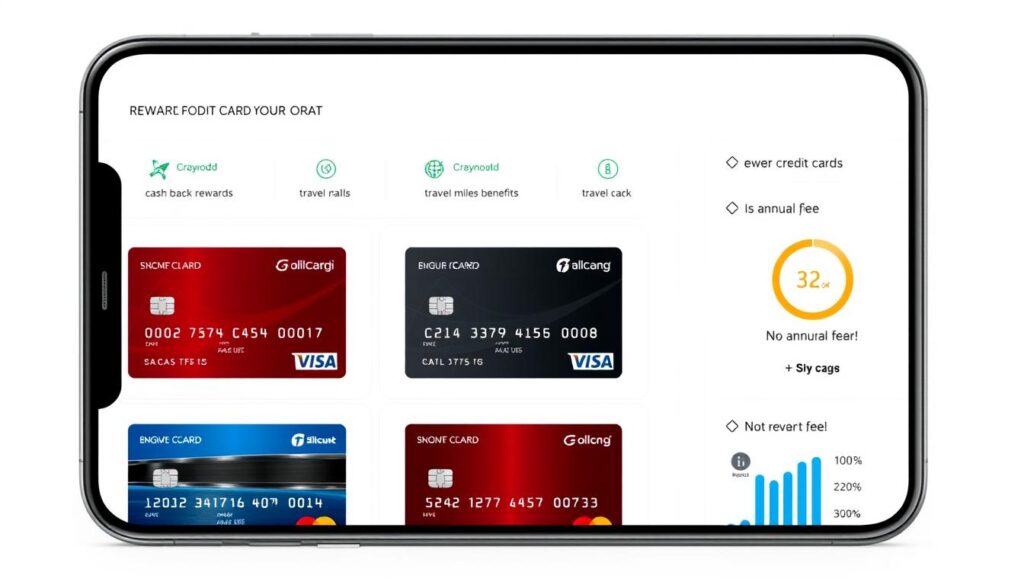
Matching your credit card to your lifestyle is the smartest way to maximize every dollar spent. Start by analyzing your spending patterns to see where your money goes. This helps you find a rewards credit card that offers the best cash back for your frequent stops. Use your credit history to unlock the best deals today.
For many budget-conscious shoppers, a card with no annual fee is the best choice. These cards let you earn cash rewards without a yearly cost cutting into your earnings. You get the security you need and the rewards you want for free.
If you plan a large purchase, look for intro apr offers. These intro apr periods provide interest-free shopping that saves you money while you pay. Always prioritize a secure credit card when checking intro apr deals. Keep your long-term intro apr goals in mind to avoid debt.
Many rewards credit options feature a bonus category like dining, gas, or groceries. Using a rewards credit program that pays higher cash rewards in these areas can boost your savings. Some cards offer a flat-rate percentage, while others have rotating categories. These cash rewards add up quickly when you shop at specific rewards credit partners.
A strong bonus offer provides a big boost in your first few months. Many rewards credit accounts give substantial cash rewards after you meet a spending goal. For frequent travelers, rewards points often outweigh an annual fee through valuable perks and miles. Compare the annual fee against the bonus value carefully.
Discover it® credit card options offer unique features like an unlimited Cashback Match. This means you get a bonus equal to all the cash back you earned in your first year. Whether you choose Chrome or Student, the rewards credit structure helps you earn. These cards are great for building cash rewards and rewards points simultaneously. You will love how the cash back grows.
Compare the annual fee and the rewards rate before signing up for new cards. Check if the annual fee fits your budget over time. Look for a bonus that matches your needs. Frequent travelers should focus on rewards that offer the most flexibility. Use a secure credit card for all your online applications.
Ensure the rewards credit program aligns with your habits. Every cash back dollar earned is a win for your wallet. Check for cash rewards on every transaction. Use a rewards credit strategy to maximize your cash rewards. Your daily cash rewards will grow with consistent cash rewards usage and credit monitoring. We recommend checking cash rewards balances monthly.
Finally, use a credit card comparison tool to weigh the total value of each offer. This tool looks at rewards rates and cash back options together. Your credit profile will determine which premium rewards and cash back offers you can get. You deserve the best rewards, high cash back, and flexible rewards for your rewards points. Secure a credit account that protects your rewards credit score.
How to Apply for a Secure Credit Card Safely Online
If you’re ready to boost your wallet’s power, learning how to safely complete a credit card application online is essential. You must be at least 18 years old to apply for most cards in the United States. If you are under 21 or seeking a secured card, you will likely need to finish the account opening process online.
Before you start, it is important to check your credit score. Knowing your credit standing helps you choose products you are likely to qualify for. Many issuers offer pre-approval tools that let you see offers without hurting your credit score.
A full credit card application may impact your credit briefly. Choosing wisely is key to protecting your financial health. You can apply for Discover products at Discover.com or by calling their official phone number.
During the account opening, you will provide your income and housing costs. Always review the card learn materials to understand the fees and interest rates. These card learn resources help you compare a secured card with a standard credit account.
Completing your application on a secure home network protects your sensitive information. Issuers like Discover look at your credit score and income to make a decision. Following these card learn steps ensures a smooth account opening and a better credit journey.
Use card learn guides to stay informed about your new account. If you are a student, look for special offers tailored to limited histories. Once you submit the account opening application, your new credit card is just a few steps away from being in your account.
Maximizing Credit Card Rewards While Shopping Safely
Smart shoppers know how to earn unlimited cash rewards without compromising their digital security. You can strategically use a credit card with a specific category bonus to maximize every dollar spent. This allows you to gain points on everyday purchases like dining and gas stations.
Many cards offer cash back on travel bookings, including hotels and airlines. For example, some miles based programs give bonus points for hotel stays and car rentals. You can also earn unlimited value through cash back purchases at grocery stores or on phone plans.
New cardmembers often get a bonus after meeting a spending threshold. Discover automatically provides an unlimited cash match at the end of your first year. This doubles all the cash rewards you earned, making your back purchases even more valuable over time.
Wells Fargo cards often feature intro bonuses that require a minimum spending amount within a set timeframe. Some people prefer a flat-rate card to earn unlimited cash on everything they buy. These cards provide consistent rewards without the need to track rotating categories or quarterly activations.
It is vital to understand what does not count toward your cash total. Transactions like balance transfers, cash advances, and interest charges usually do not earn points. Avoiding a balance transfer or high-interest transfers ensures you keep more of your hard-earned rewards.
Always remember that security comes first, regardless of the potential cash back. Only use your credit card on verified, secure websites to protect your identity. By combining safe habits with high-earning points structures, you make the most of every transaction.
Building Long-Term Safe Online Shopping Habits
Creating long-term security habits ensures your digital life stays safe and your wallet remains protected throughout the year. Developing consistent routines makes safety an automatic part of every credit card transaction you complete. Doing this every single year keeps your data away from prying eyes.
You should review your account activity every few days to spot errors quickly. Regular checks help you catch unauthorized purchases before they become a headache later in the year. Checking your card statement every few days is a great way to stay organized.
Use a password manager to keep your login data unique for every store this year. It is smart to refresh your credentials every few days or weeks to stay secure. A dedicated email account helps you track purchases and avoid phishing throughout the year.
Stay informed about new threats so you can take advantage of the latest credit protection features. Share these tips with family to protect everyone’s credit score. You should update your security software many times a year to stop hackers.
Building trust with verified stores lets you take advantage of rewards safely. Schedule a security check-up every few days to verify all recent purchases on your credit card. Doing this every few days helps you take advantage of fraud alerts on your card.
| Habit Type | Frequency | Primary Benefit |
|---|---|---|
| Statement Review | Every few days | Spot unauthorized purchases |
| Software Updates | Throughout the year | Close security vulnerabilities |
| Security Check-up | Monthly | Take advantage of alerts |
Always take advantage of the security settings in your online banking account. Checking your credit report several times a year ensures your profile remains accurate. Spend a few days each year teaching your kids about credit card safety.
Finally, take advantage of the multi-factor authentication offered on your credit accounts. Verifying purchases every few days ensures no one else is using your credit card. This commitment to your card protects your credit all year long for many days to come.
Conclusion
By combining smart habits with powerful payment tools, you can navigate the digital marketplace with total confidence. Always check every page for security icons before you make purchases first. Using a credit card offers better protection than other methods for your account.
It is vital to understand your card terms including the intro apr and the annual fee. Many cards offer a bonus or cash back for qualifying purchases. Remember that a balance transfer or multiple transfers usually won’t earn points.
Check the intro period carefully to avoid high fees on a balance. Stay alert for red flags like strange URLs to keep your credit safe. If you see fraud, contact your issuer to protect your account immediately.
Using credit card learn resources helps you maximize rewards throughout the first year. These card learn tools show you how to manage a balance and use intro apr offers. Reading the terms helps you see which purchases earn cash back.
Your purchases first must meet specific requirements to trigger a bonus. Whether you handle a balance transfer or new purchases, being informed saves you money. Building these habits ensures your credit remains secure for years to come.
Use intro offers and points systems to your advantage while skipping unnecessary fees. Enjoy the convenience of modern shopping while staying protected on every page. Informed shoppers can confidently enjoy the rewards and points of the digital world.