
Welcome to your journey toward total financial independence! Getting your first credit card marks an exciting milestone for any young adult. It opens new doors for building a solid score and developing smart money habits.
This guide walks you through selecting and managing your new account with total confidence. We explore how these tools work and why they matter for your future. You can avoid common pitfalls that trap many people in cycles of debt.
Discover different options like secured versions or cash back features. Finding the right fit helps you maximize your earned rewards and cash benefits. These strategies help students and graduates succeed with every dollar spent using their credit card.
Start making daily purchases that benefit your long-term goals. Enjoy the perks of your new status while keeping your debt low and your rewards high. A well-managed account ensures you get the most cash value from your purchases.
Using these systems wisely allows you to stack up rewards points quickly. This path leads to a bright future filled with rewards and financial freedom. Take control of your cash flow today with these simple, effective tips.
Developing a healthy relationship with your finances now creates a stable foundation for your later years. You will soon feel empowered to handle any financial challenge that comes your way.
Understanding How Your First Credit Card Works
To use your new plastic wisely, you first need to grasp the inner mechanics of how a credit card actually functions. A credit card is not just a piece of plastic; it is a gateway to your financial future. When you use a credit card, you access a specific amount of money lent by a bank.
You can use this money for daily purchases as long as you stay within your credit limit. This limit is the maximum amount the issuer allows you to borrow at any time. It is vital to monitor your spending to avoid reaching this cap.
Revolving Credit Explained
Revolving credit is a flexible way to borrow money without a fixed end date. A credit card learn journey involves understanding that your available limit resets as you pay. As you repay what you owe on your card, you can spend that money again immediately.
This flexibility allows you to manage your cash flow effectively throughout the month. However, it also requires discipline to ensure you do not overspend your available credit. If you treat your card learn habits seriously, you will manage this line of credit like a pro.
How Credit Card Transactions Work
When you make purchases, the card issuer pays the store for you immediately. You then owe that money back to the card company by a specific due date. If you pay the statement balance in full, you will not be charged extra for the convenience.
If you carry a balance into the next month, the bank charges interest based on your apr. High interest rates can make small purchases very expensive if you only pay the minimum. Understanding these terms and the credit card learn process helps you avoid common debt traps.
Every month, you’ll receive a statement showing your balance and recent activity. Responsible card learn tactics mean checking this document for errors and paying on time. This consistency helps you build a strong credit history over time.
| Feature | Paying Full Balance | Paying Minimum Only |
|---|---|---|
| Interest Charges | No interest applied | Interest accrues daily |
| Debt Duration | Cleared monthly | Can last for years |
| Credit Score Impact | High positive impact | Minimal or negative impact |
| Total Cost | Only what you spent | Original cost plus high interest |
Why Your First Credit Card Matters for Your Financial Future
Think of your first credit card as the cornerstone of your entire financial reputation. This card represents much more than just a convenient payment tool for your daily errands. It serves as the actual foundation of your history that will impact credit options for many years to come.
Credit companies report every payment you make to major bureaus to track your reliability. This data builds your credit score, which is a three-digit number lenders use to judge your worthiness. A strong score can open doors to much better rates on car loans and future mortgages.
Managing your account well sets a positive pattern for your future financial success. Good habits today lead to higher credit limits and easier apartment rentals later in life. Some employers even check this history during background screenings for new job opportunities.
You should treat your first card as a powerful building tool rather than free money. Responsible use allows you to access a rewards credit program that makes your everyday spending more valuable. This approach helps you avoid financial obstacles that often take years to fix.
Long-term use of a credit card improves your history length and your overall utilization ratio. Choosing the right rewards credit options can add extra value to your monthly budget. However, the most important factor is how your choices impact credit health over time.
Better credit habits lead to a better credit score and more financial freedom. Consistent on-time payments are the primary key to maintaining a healthy account. If you look for a rewards credit offer, always prioritize responsible spending over earning points.
The Long-Term Impact of Card Management
| Financial Factor | Responsible Management | Irresponsible Management |
|---|---|---|
| Interest Rates | Lower rates on future loans | Higher rates and extra costs |
| Borrowing Power | Increased limits over time | Denials or low limits |
| Life Opportunities | Easier housing and job approvals | Security deposits and rejections |
Choosing the Right Type of Credit Card for Your Situation
With so many options available, picking the right credit card involves matching the features to your lifestyle. Focusing on a few key factors makes this decision much easier. It ensures you select a tool that fits your daily financial needs and builds your credit profile.
Start by looking for a card with no annual fee. This is often the best choice for first-time users who want to keep costs low. You can focus on learning responsible habits without worrying about a yearly charge eating into your budget.
Many beginners prefer cash back options because they are very easy to understand. These cards return a small percentage of every dollar you spend as cash rewards. This provides immediate value on common purchases like groceries, gas, and dining out.
If you plan to explore the world, look at travel benefits. These rewards allow you to earn points or miles for future flights and hotel stays. Most travel programs are most effective once you have established a solid credit history and spend regularly.
Some offers include an introductory 0% APR period on new purchases. This feature helps if you need to buy a large item and pay it off over several months. Using a credit card this way can prevent interest charges during the promotional timeframe.
Security is another vital part of your card choice. Look for enhanced fraud protection and high-quality customer service. These programs give you peace of mind when you use your credit card for online shopping or in-store visits.
Discover offers a wide variety of benefits across their product line. All Discover cards provide rewards, allowing you to choose between cash back or miles. This flexibility helps you earn something back on every eligible purchase you make.
Always match your credit card choice to your specific spending patterns. If you are just starting out, a simple card with no annual fee and straightforward cash rewards usually provides the best value. This approach helps you earn rewards and build credit without a complicated redemption process.
What to Consider Before Applying for a Credit Card
Choosing a credit card requires a bit of homework to find the best fit for your wallet. You should evaluate several key factors to ensure your new credit card fits your lifestyle and budget. Compare features like the annual fee, rewards structure, and special offers before you submit an application. This step ensures the card aligns with your current spending habits and financial goals.
Standard APR vs. Introductory Rates
Many companies offer an intro apr to attract new customers. This intro period usually lasts between 6 to 21 months, giving you a 0% interest rate on new purchases. However, you must know the standard apr that kicks in once the intro apr ends.
If you carry a balance after the intro phase, your interest charges will rise significantly. Always check the terms of your credit agreement for these specific details. A low intro apr is great for large purchases, but the long-term interest rate matters more for your future savings.
Balance Transfer APR Options
A balance transfer can help you move high-interest debt to a new credit card with a lower rate. This balance transfer option often features a 0% intro apr, which helps you pay down the principal faster. Use a 0% intro apr offer to save money while you work toward eliminating debt. This balance transfer strategy works best if you have a clear repayment plan.
Be aware that most fees for this service range from 3% to 5% of the total amount. Always calculate if the interest savings are higher than the transfer fee before you proceed. First-time users usually benefit most from a card with no annual fee. Avoiding an annual fee is a smart way to keep costs low while you learn the ropes.
This choice prevents you from paying a fee just to keep the credit account open. Read all the terms carefully to spot hidden fees like foreign transaction costs. Checking these details now prevents surprises later as you build your credit profile. Taking time to understand your card agreement protects your credit health.
| Feature | Standard Option | Benefit to User |
|---|---|---|
| 0% Intro APR | 6 to 21 Months | Zero interest on new purchases |
| Annual Fee | $0 to $500+ | No-fee cards save money yearly |
| Balance Transfer | 3% to 5% Fee | Consolidates high-interest debt |
| Foreign Fees | 0% to 3% | Saves money on international travel |
The Credit Card Application Process Step by Step
The path to securing your new credit card begins with understanding the specific steps of the application process. Start your journey by checking if you are pre-approved through online tools. These credit card pre-approval check tools perform a soft check that does not hurt your credit score while giving you a preview of your approval odds.
Gather your Social Security number, total annual income, and monthly housing costs before opening an application page. You must be at least 18 years old to apply for any card in the United States. If you are under 21 or applying for a secured version, you will likely need to submit your application through an online page to prove your independent income.
You can apply for most Discover credit cards at Discover.com or by calling 1-800-DISCOVER. When you finally submit your application, the issuer performs a hard inquiry on your credit report. This search may temporarily lower your credit score by a few points, so avoid applying for multiple cards in a short window of time.
Many issuers offer an instant decision on your credit card request within seconds. If the issuer approves you, you will receive your physical card in the mail within 7 to 10 business days. Be sure to read the terms and conditions carefully before you activate your new account and begin spending.
Once the plastic arrives, set up your online account immediately to monitor your credit and manage payments. Use the issuer’s mobile app to track your balance and set up automated alerts. Following these simple steps ensures your application leads to a successful and responsible start with your new credit card.
Best Secured Credit Cards for First-Time Users
Starting your financial life becomes much easier when you leverage the power of a secured credit card. These cards are specifically designed for people with limited or no credit history. They act as an excellent starting point for those who may not qualify for traditional options.
The Discover it® Secured Card is one of the best choices for building credit. This credit card is designed for people looking to build or rebuild their status with responsible use. Each Discover card has its own requirements, but this version is very accessible.
You can even earn rewards like cash back on your daily purchases while you grow. This makes it a valuable tool beyond just fixing your score. Consistent use will help you reach your goals faster.
Security Deposits Explained
A secured account requires a refundable deposit to get started. This money protects the issuer while you show you can handle credit. The deposit does not count as a payment toward your monthly bill.
You will receive your money back when you upgrade or close the card. Look for a card with no annual fee to keep costs low. Many top credit cards also report to all three major bureaus.
Credit Limits on Secured Cards
Typically, your limit equals the deposit you provide to the bank. Some cards may increase this amount after you show responsible habits for a few months. Choosing a card with no fee and high rewards is a smart move.
This ensures your positive payment history helps you transition to a better account later. High-quality rewards programs help you save money while you improve your credit. Stick to a credit card that offers a clear path to an unsecured version.
With consistent use, you will earn back your deposit and gain more rewards. Always confirm there is no hidden fee or high annual fee before you apply. This strategy sets a firm foundation for your credit health. A final credit card check ensures you picked the best offer.
Student Credit Cards: Building Credit During College

Building a strong credit foundation during your university years can set you up for success long after you toss your graduation cap. Issuers tailor student cards specifically for college students who have a limited history. These options offer lenient approval requirements while providing tools to manage finances during your academic years.
Every major issuer recognizes that students typically have lower incomes. Each card is made more accessible than standard options while still reporting your activity to major bureaus. This helps you establish a solid credit profile before you even enter the full-time workforce.
Many students find that a Discover Student Card fits their unique financial situation perfectly. Every Discover credit card earns rewards on your daily purchases, which is a great perk for a first account. You can even earn cash back while buying textbooks or grabbing a snack between classes.
The Discover it® Student Cash Back offers rewards on different categories that change every few months. If you prefer consistency, the Discover it® Chrome for Students earns rewards on eligible gas station and restaurant purchases. These features help you earn even more rewards on every dollar you spend.
Most student credit cards carry no annual fee, which is vital when you live on a strict budget. Some companies even reward high academic performance with a statement credit for good grades. This creates a great incentive to keep your GPA up while managing your account.
These tools also include educational resources to help you learn about credit management and budgeting. You will understand how to use a credit card responsibly before facing larger adult expenses. Using a credit card correctly now prevents future debt.
Once you graduate, you can often transition your card into a standard version. This allows your credit history to stay intact while you gain access to better benefits. Keeping the same card is a smart way to ensure your credit card grows as you build more credit.
Cash Back Credit Cards: Earning Rewards on Everyday Purchases

Many beginners love cash back credit cards because they turn everyday shopping into actual cash rewards. These cards are among the most popular and straightforward rewards tools available today. They return a percentage of your spending as cash that you can use later.
You can redeem your earnings for statement credits or direct deposits. Many of these cards also offer a sign-up bonus of $150 to $300. You earn this after meeting a minimum spending requirement on your first few cash back purchases.
This provides an immediate and high return on your necessary spending. Getting cash back helps you lower your monthly expenses effectively. It is a simple way to make your card work for your wallet.
Maximizing Rotating Category Bonuses
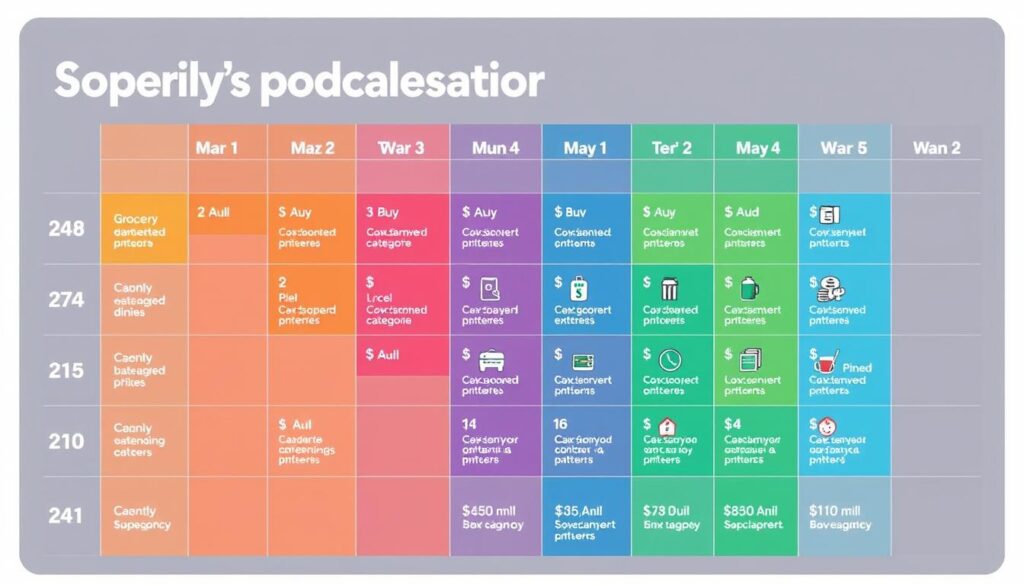
Some cards offer higher rates in a specific category that changes every three months. You might earn 5% back on dining during one quarter and 5% on gas during the next. You must remember to activate these cash rewards online to get the higher rate.
Staying organized helps you earn more on these specific back purchases. Use your card specifically for these high-earning items to see your rewards grow. This strategy is great for people who enjoy tracking their spending habits.
When Flat-Rate Cards Make More Sense
Flat-rate cash back cards make sense if you want total simplicity. You earn the same rate on every card purchase without tracking a category. Some of the best options offer unlimited cash back on all purchases year-round.
You can also pair multiple cards together to maximize your cash. Use one for gas and dining and another for general cash back purchases. This ensures you always get the best bonus available on every back transaction.
Making On-Time Payments: Your Most Important Responsibility
Managing your monthly bill schedule is the cornerstone of a healthy financial life and a stellar reputation. Making on-time payments is the most critical part of owning a credit card. This single factor makes up 35% of your credit score and determines if you will face an expensive late fee.
Your history stays on your report for seven years, meaning one mistake can hurt your credit for a long time. You might struggle to get a house or a car later if your record shows missed dates. To stay safe, set up automatic payments for your account to ensure you never miss a deadline.
How Interest Accrues on Unpaid Balances
If you pay your full statement balance by the due date, you avoid all interest on purchases. This acts like an interest-free loan from your card issuer during the grace period. This period usually lasts about 25 days after your statement closes each month.
Otherwise, your unpaid credit card balance accrues interest daily based on your APR. This means the cost of your purchases grows every day you wait to pay. Clearing your account every month is the best way to avoid a heavy interest fee and keep your credit profile strong.
The True Cost of Minimum Payments
The terms of your card only require a small minimum payment each month. This is often just 1% to 3% of your total balance, which feels very manageable. However, paying only the minimum can keep you in debt for many days and years.
For example, a $1,000 balance at a 20% rate could take over five years to clear using only minimums. You would pay high interest fees, essentially doubling the cost of your original purchases. Always pay as much as possible to keep your credit card healthy and your balance low.
| Payment Strategy | Time to Pay Off ($1,000) | Estimated Interest & Fees |
|---|---|---|
| Full Statement Balance | 1 Month | $0 |
| Fixed $50 Monthly | 24 Months | $220 |
| Minimum Payment Only | 68 Months | $1,100 |
Essential Credit Card Terms Every First-Time User Should Know
Gaining a solid grasp of financial terminology empowers you to manage your finances with total confidence. Understanding key credit card terminology helps you compare offers and avoid costly surprises. Many new users find these terms confusing during the initial application phase. Picking your first credit card is a major milestone, and this small plastic card is a powerful tool for your future.
The APR represents the yearly interest rate on any balance you carry month to month. Your credit limit is the maximum amount you can charge at any given time. Lenders decide this limit based on your income and credit score during the application process. Paying your full statement balance by the due date avoids interest charges entirely.
Most accounts offer a grace period of 21 to 25 days before interest kicks in. This is the time between your billing cycle end and your payment due date. If you pay only the minimum, you keep your credit account in good standing. However, you will still owe heavy interest on the remaining balance.
Some cards include an annual fee for premium perks or enhanced rewards. You should ensure these benefits outweigh the yearly fee itself to make the account worth it. When looking for a new credit card, search for an intro offer that might waive this cost. Many cards feature an intro apr to attract new customers during the first few months.
This intro period often applies to a transfer or new purchases you make. Always check the terms to see when the promotional intro apr ends to avoid a sudden rate hike. A balance transfer allows you to move debt from one card to another to save money. Using a card wisely starts with knowing exactly what you are signing up for.
Holding the credit card responsibly requires tracking every transaction and potential charge. Your credit journey depends on your ability to read the fine print carefully. Keep your card safe and use the data below to understand how specific costs impact your wallet.
| Financial Term | What It Means | Common Cost |
|---|---|---|
| Annual Fee | Yearly cost for account access | $0 to $500+ |
| Intro Offer | A starting promotion for users | Lower initial fee |
| Cash Advance | Withdrawing cash from an ATM | Higher interest fee |
Smart Spending Strategies for Responsible Credit Card Use
You can easily take advantage of all the perks your account offers by following simple spending rules. To stay safe, treat your credit card like a debit card. Only charge purchases that you can pay off in full when your statement arrives. This habit ensures you never face debt you cannot handle.
You should also take advantage of your card rewards program by using it for planned spending. Avoid buying things you do not need just to earn points or hit a bonus. When a store offers the same price for cash or credit, use your card for purchases first. This allows you to earn rewards on regular spending while keeping costs the same.
Paying with cash might seem easier, but choosing to use your card for purchases first helps you track your budget. Just ensure you have the cash ready in your bank to pay the bill. Managing your credit score involves keeping your utilization low. Try to keep your balance below 30% of your total limit.
Keeping your balance under 10% is even better for your financial health. Tracking a single balance is much easier than juggling multiple cards. It helps you avoid missed dates and protects your credit standing. Setting up account alerts is a great way to monitor your activity.
Always review your monthly statements to verify purchases and catch errors. Using your credit card wisely today builds a strong future for your rewards and credit goals. A responsible credit card user earns the best rewards over time. One final credit card tip: always prioritize your card for safety.
| Strategy | Recommended Action | Key Benefit |
|---|---|---|
| Debt Prevention | Pay full amount monthly | Avoid interest charges |
| Reward Growth | Use for planned buys | Earn points for free |
| Credit Health | Keep utilization under 30% | Higher credit score |
| Account Safety | Review statements monthly | Catches fraud early |
: Common Credit Card Mistakes to Avoid
By following a few simple steps, you can help ensure you’re headed in the right direction when it comes to managing your credit card debt. Many people start their financial journey with great intentions but quickly fall into common traps. Understanding these mistakes will help you maintain a healthy account for years to come.
Missing a payment is perhaps the most damaging error you can make as a beginner. It often leads to late fees of up to $40 and a much higher penalty interest rate. Furthermore, this single error can stay on your record and negatively impact credit for up to seven years.
Carrying a high balance month to month is another frequent mistake that hurts your standing. Even if you pay on time, using too much of your limit lowers your credit score. Aim to keep your spending low compared to your total credit limit to show lenders you are responsible.
Only making the minimum payment might seem manageable when money is tight. However, interest charges can eventually double or triple the cost of your initial purchases. Paying your credit card in full every month is the smartest way to handle your card and avoid debt.
Using your card for a cash advance is one of the most expensive ways to borrow money. You will likely pay a fee of 3-5% on the total cash amount right away. Unlike normal purchases, interest begins to grow the moment you take the cash from an ATM.
Applying for too many new accounts at once can also cause significant trouble. Each application creates a hard inquiry on your report, which may lead to extra fees and lower limits. This behavior can make you look desperate for credit to potential lenders and banks.
Always review your monthly statements to spot an annual fee or potential fraud. If you ignore your account, you might miss signs of identity theft or billing errors. Staying proactive ensures your purchases are accurate and helps you track spending patterns that indicate budget problems.
Be careful when closing an old card or cosigning for a friend. Closing an old line of credit can shorten your history length and increase your utilization ratio. Likewise, cosigning makes you legally responsible for any balance someone else spends on their credit card.
| Mistake to Avoid | Financial Consequence | Why It Matters |
|---|---|---|
| Late Payments | Late fee up to $40 | Hurts your history for 7 years |
| Cash Advances | Immediate interest accrual | No grace period available |
| Paying Only Minimums | High interest costs | Traps you in long-term debt |
| Ignoring Annual Fee | Unnecessary costs | Reduces your overall savings |
Building Your Credit Score Through Responsible Card Management
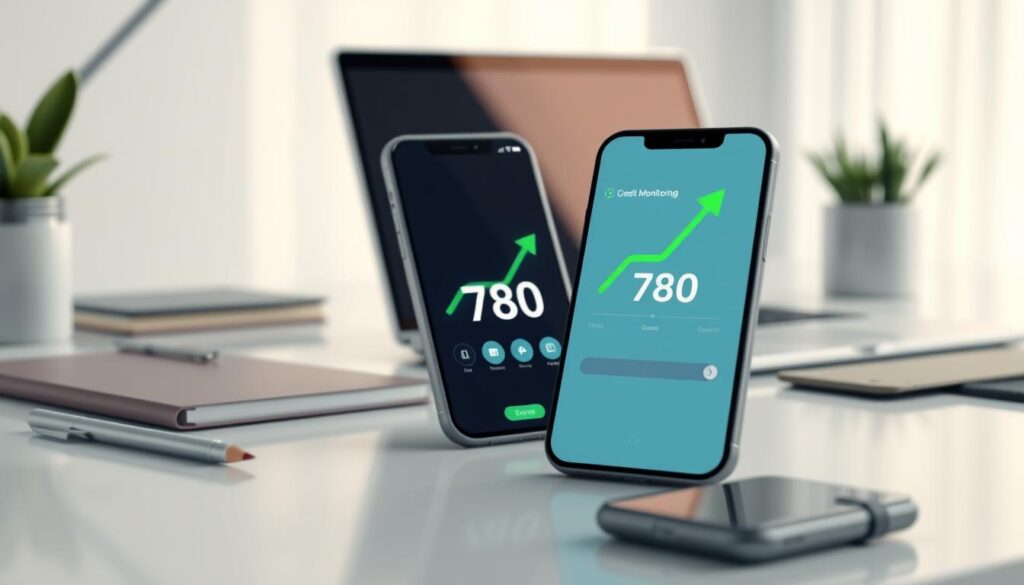
Managing your first credit card with care can turn a small piece of plastic into a powerful financial engine. Better habits lead to a better credit score, which opens doors to low-interest loans. By understanding how the system works, you can master your finances early.
Your score depends on five factors. Payment history is 35%, while credit utilization is 30%. The length of your account history, credit mix, and new inquiries make up the rest of the calculation.
Keep your balance low to succeed. Experts suggest using less than 10% of your limit for the best results. For example, keep a $1,000 limit balance under $100 whenever possible.
Positive Payment History Benefits
Every on-time payment builds your reputation for reliability. These payments show lenders you are a safe bet. Over a year, this consistency significantly boosts your profile and attractiveness to banks.
Using a rewards credit option wisely adds value to your journey. A rewards credit program can provide cash back while you build history. Always treat your rewards credit as a bonus tool, not as extra income for extra spending.
Impact of Late or Missed Payments
A single late payment can cause a massive drop in your points. You might see a decrease of 60 to 110 points on your report. Set up automatic payments or digital reminders to protect your account health.
Keeping your oldest card open for every year helps your average age of history. This shows long-term credit experience to future lenders who review your files. View your credit card as a tool for financial credibility, not just a way to pay.
A rewards credit user should pay their balance in full each month. This avoids high interest and keeps your credit health in peak condition. Use your credit card for small, planned purchases to keep the line active.
Your credit card is the key to unlocking a brighter financial future. Carry your card with a sense of responsibility and purpose. Use your credit and your card to build a life of stability and freedom.
Make sure to use your card often enough to keep the lender from closing the line. This prevents a sudden drop in your total available limit.
Maximizing Credit Card Benefits and Perks
Discovering the full potential of your rewards credit card involves more than just making monthly payments. Many options, like those from Discover, offer cash back or miles on every eligible transaction. New cardmembers benefit from a unique account opening offer like the Cashback Match.
This feature automatically doubles all the cash you earn at the end of your first year. Many of these cards come with no annual fee, letting you keep more of your rewards. You can also earn bonus points on everyday spending to increase your value.
| Perk Category | Typical Benefit | Value Example |
|---|---|---|
| New User Offer | Cash Match | Double first-year earnings |
| Shopping | Purchase Protection | Theft and damage coverage |
| Travel | No Foreign Fees | Save 3% on overseas spend |
Meeting Qualifying Purchase Requirements
To earn a significant bonus, you often need to meet a spending threshold. These account opening offers might provide $150 to $300 in cash when you hit the goal. Usually, you must spend between $500 and $3,000 to reach these qualifying targets.
You should time your application around planned purchases to meet these goals easily. This strategy ensures you earn a welcome bonus and extra bonus points without overspending. Tracking your purchases helps you stay within your budget while earning rewards.
Bonus Points and Cash Back Bonuses
Beyond the initial bonus, many rewards credit cards offer elevated rates. You might earn extra points or cash back on travel or dining purchases. Understanding which categories earn bonus points helps you maximize your rewards throughout the year.
Some cards include hidden perks like purchase protection or extended warranties. These features protect your cash by covering items against damage or theft. Using your rewards credit card for travel also provides trip cancellation protection and peace of mind.
Read your benefits guide to see how your card can work harder. Strategic spending on qualifying items can lead to a massive bonus of bonus points. Consistently earning cash back and points builds long-term financial value.
Your rewards credit card is a tool for building wealth through smart spending. Always look for a new bonus or bonus points offer to increase your cash. Monitoring your rewards and points ensures you never miss a benefit.
Managing and Preventing Credit Card Debt

By following a few simple steps, you can help ensure you’re headed in the right direction when it comes to managing your credit card debt. Preventing debt starts with never charging more than you can afford to pay off. You should treat your card as a convenient payment tool instead of a way to afford things beyond your budget.
If you accumulate a balance, create a payoff plan immediately to stop interest from compounding. Calculate how much you need to pay monthly to eliminate the debt within 6-12 months. Committing to this amount helps keep your credit card healthy and protects your long-term financial stability.
Intro APR Balance Transfer Offers
A balance transfer can be a powerful tool for repayment. Balance transfer offers with intro apr periods of 0% for 12-21 months can save significant money. These balance transfers allow you to focus payments on the principal rather than interest charges. It is an effective way to manage a high balance and speed up your recovery.
Make sure you can realistically pay off the transfer before the intro period expires. If a balance remains, it will accrue interest at the standard rate. You should also avoid making new purchases on a balance transfer card. New purchases might accrue interest immediately, which defeats the purpose of the low intro apr.
Understanding Balance Transfer Fees
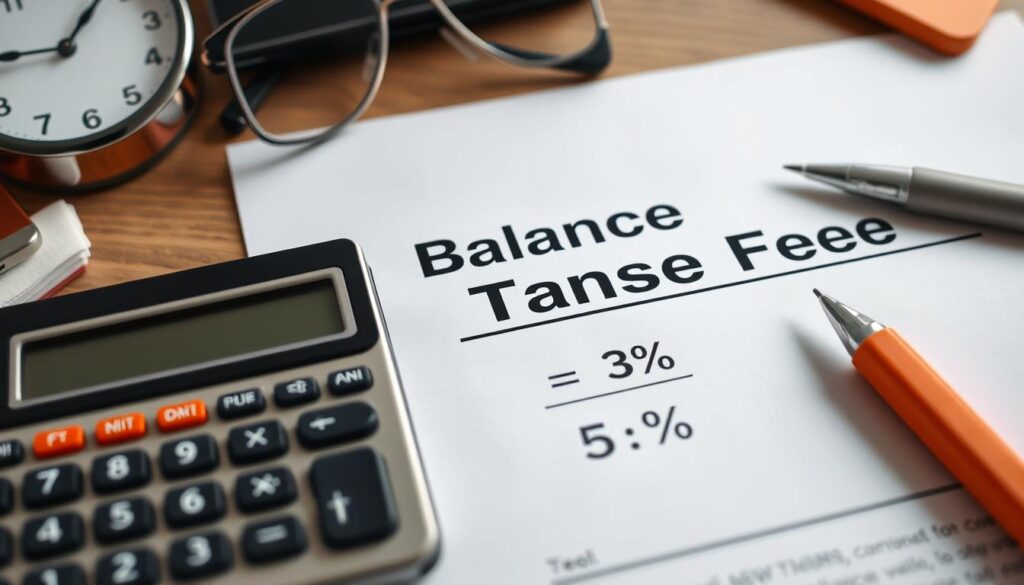
Understanding balance transfer fees is vital before moving your money to a new credit card. Most issuers charge fees of 3-5% of the total transfer amount. Always calculate whether the interest savings during the intro apr period exceed these upfront fees. This ensures the balance transfer actually saves you money.
Successful balance transfers require a clear strategy and consistent discipline. Unlike earning cash back rewards, these balance transfers focus purely on repayment. While cash back is a great perk, your main goal here is the transfer. Many people use multiple balance transfers or a final balance payment to reach total financial freedom.
Conclusion
Your first credit card is more than a plastic tool; it is a gateway to long-term financial health. This significant move helps you build credit while you make everyday purchases. By choosing the right card for your life, you avoid common debt traps and set yourself up for success.
Your most vital duty is making on-time payments to your account every month. You should try to pay your full statement balance to keep interest costs low. Maintaining an excellent payment history helps your credit score grow over many days and months.
Choosing a rewards credit option allows you to earn unlimited cash back on things you already buy. Many cards offer cash rewards that provide real value throughout the year. When you earn unlimited benefits, you turn normal spending into a financial gain for your account.
A high-quality rewards credit card can offer unlimited cash rewards on all your purchases. You can find a card that provides cash back on gas or groceries. These cash rewards programs help you get the most out of your credit card usage every single day.
The habits you build now will last for many days to come. A rewards credit strategy makes it easy to earn unlimited cash back. Keep your balance low and use your credit wisely to unlock better products next year.
Treat your credit card as a tool rather than free money to stay safe. With a rewards credit plan, you can earn unlimited perks while protecting your future. Enjoy the cash rewards you get from your new card as you build a strong financial path.
Start your journey with confidence today. Managing a credit card is simple when you have discipline. Use these rewards to maximize every dollar and watch your credit profile thrive.