
Earning extra value from your daily purchases should not lead to excessive debt. This comprehensive guide shows you how to use a credit card to gain significant rewards while keeping your budget intact. You can enjoy the perks of a modern card without falling into common financial traps.
Many people use a credit card for simple convenience, but savvy users focus on accumulating cash back. By timing your applications for a new card, you can unlock a massive sign-up bonus. This ensures your regular spending generates more cash for your personal savings.
Strategic spending on a credit card helps you earn rewards faster in specific categories like groceries or gasoline. It is important to treat your card like a financial asset rather than a debt machine. This approach turns every transaction into cash that builds your wealth over time.
You can master your credit card strategy by choosing programs that fit your unique lifestyle. Focus on high-value rewards that offer real cash and meaningful benefits. Using rewards wisely allows you to maximize your cash back without ever spending more than you planned.
Understanding Credit Card Rewards Programs
To get the most out of your spending, you first need to grasp how different rewards programs actually function. These systems typically offer either cash back or points and miles to encourage loyal spending habits. For example, all Discover credit card options earn rewards on every eligible purchase you make.
Understanding how your credit card categorizes each purchase is essential for success. Issuers use merchant category codes to determine your specific earning rates. Consequently, the same store might classify transactions differently depending on their specific processing setup.
Simple cash rewards programs are often the easiest for beginners to manage. They offer straightforward percentages back on your purchases, usually ranging from 1% to 5%. This card type provides clear value without requiring complex mathematical calculations.
Conversely, points-based programs provide more flexibility but come with more complexity. The value of these points varies based on how you choose to redeem them. You might use them for travel, gift cards, or cash rewards to lower your monthly balance.
Always remember that certain transactions won’t earn any rewards at all. This includes cash advances, balance transfers, and interest charges. Reviewing your credit terms helps you understand earning caps and expiration policies on your card.
By learning these rules, you can use your credit account more effectively. Selecting the right card for your habits ensures you earn the most cash rewards possible. Consistent use of a credit card can turn your regular bills into meaningful savings.
Understanding your credit limit and cash back options is the final step. Smart card management helps you avoid unnecessary fees while building your credit history. This strategic approach transforms every swipe of your credit card into a step toward a bonus rewards payout.
| Program Type | Earning Structure | Common Redemption |
|---|---|---|
| Cash Back | Percentage of spend | Statement credit or deposit |
| Points | Points per dollar spent | Gift cards or merchandise |
| Travel Miles | Miles per mile/dollar | Flights and hotel stays |
Choosing the Right Credit Card for Your Lifestyle
To get the most value, you must choose a credit card that aligns with where you already spend your hard-earned cash. The best card for you depends entirely on your specific spending patterns and financial goals. Start by analyzing where your money goes each month to find the right fit.
If you spend heavily on groceries, gas, and dining, look for a credit card with high rewards in those everyday categories. These products deliver the most value for your regular purchases without forcing you to change your habits. This ensures you earn points on items you already need to buy.
Travel enthusiasts should look for a card that offers airport lounge access and no foreign transaction fees. These perks add significant value beyond simple points or miles. Trip insurance and baggage protection also provide peace of mind during your adventures.
If you prefer simplicity, a flat-rate cash back card might be your best bet. This allows you to earn a steady percentage without tracking rotating categories or complex rules. It is a great choice for those who want a straightforward strategy.
Think about where you shop most often to ensure your plastic is useful. For instance, merchants accept Discover at 99% of U.S. locations that take cards. This level of acceptance makes it a practical choice for daily use in almost any city.
Be honest about your credit profile before applying for any premium cards. Most options with the most generous rewards typically require excellent credit scores for approval. Knowing your score helps you avoid unnecessary hard inquiries on your report.
If you are just starting out, seek a secured option designed for your building needs. Matching a card to your current standing ensures a higher chance of approval. You can always upgrade to a better product once your score improves over time.
Consider other benefits like 0% introductory APR or enhanced security programs. These features can be just as important as the rewards you earn each month. A balance transfer offer might also help you save on interest while you organize your finances.
Choosing a product based on your actual needs helps you maximize your credit potential. This strategic approach ensures you earn the most rewards while maintaining a healthy credit history. Compare the best travel and cash back credit card and credit card offers today.
Evaluating Annual Fees vs. Rewards Benefits
Evaluating the cost of an annual fee against the potential rewards is vital for smart financial planning. For beginners or moderate spenders, a no-annual fee option is usually the safest starting point. This ensures you do not have to spend a specific amount just to break even on the annual fee.
Brands like Discover offer no annual fee on any of their products, making them very accessible for everyone. However, some premium cards charge an annual fee to provide enhanced benefits. These perks often include lounge access, travel credit, or high-tier insurance coverage.
You should calculate your break-even point to see if the annual fee is worth it. Divide the annual fee by the extra rewards percentage you would earn over a free card. This math helps you decide if you will use the fee question to your advantage. It shows how much you must spend for the annual fee to make sense.
| Card Category | Annual Fee | Reward Potential | Best For |
|---|---|---|---|
| No-Fee Card | $0 | Standard | Beginners |
| Mid-Tier Card | $95 – $250 | High | Daily Spenders |
| Premium Card | $450 – $695 | Elite | Frequent Travelers |
Many issuers will waive the annual fee for the first year of membership. This gives you time to test the rewards and see if the benefits justify the long-term annual fee. Remember that a premium credit tool is not bad if you use it enough to justify the fee.
If you use a statement credit or other perks, you effectively eliminate the fee. An annual fee only becomes a poor value if you are paying the fee without using enough rewards. Evaluate your lifestyle before committing to any card with a high cost, and ensure the card provides real value.
Taking Advantage of Sign-Up Bonuses Without Overspending
Landing a lucrative welcome offer is a fantastic way to boost your rewards balance through normal daily spending. These incentives provide a significant bonus that can be worth hundreds of dollars in cash or travel value.
To qualify for these rewards, you must reach a specific amount in net purchases within a set timeframe. This period is typically the first three months after opening your new account.
For example, a standard credit card might require $500 in spending to earn a $200 cash back offer. Premium cards might ask for $4,000 in three months to unlock a massive amount of bonus points.
| Card Category | Spend Requirement | Timeframe | Estimated Reward |
|---|---|---|---|
| Everyday Rewards | $500 | 3 Months | $200 Bonus |
| Mid-Tier Travel | $3,000 | 3 Months | 60,000 Points |
| Luxury Travel | $5,000 | 3 Months | 100,000 Points |
Strategic timing is essential to avoid overspending. You should align your credit card application with major life events or seasonal shopping to meet the goal naturally. This ensures you never spend money on things you do not actually need.
Ensure you read the terms to see what counts toward the specific offer. Generally, transactions like annual fees or cash advances do not count as qualifying purchases for a welcome offer.
Once you hit the spending limit, your bonus points generally show as redeemable within 60 days. Some cards even provide tiered rewards to make reaching the goal easier over several months.
Consider prepaying regular bills to reach the threshold without financial stress. This method helps you secure bonus points on everyday purchases while maintaining your bonus earning potential and standard monthly budget.
Creating a Strategic Spending Plan Before Applying
Success with rewards begins long before you choose a card; it starts with a strategic plan for your purchases. You should track your spending for at least two or three months to see exactly where your money goes. Look at what you spend on groceries and gas to pick the best credit card for your life.
This data helps you find a credit card that fits your real habits rather than aspirational ones. Once you know your spending distribution, you can pick a specific offer that rewards those exact categories. Always review benefits online to see which account delivers the highest return for your specific budget.
Your plan must also include a timeline for meeting any sign-up requirements. Identifying upcoming major purchases helps you reach bonus thresholds naturally without spending extra. You should also verify that your credit score is high enough to open a new credit card.
Consider how a new credit line fits into your overall financial picture before you offer your signature. Be realistic about your ability to pay off the account in full each month. Carrying a balance with interest will quickly erase the value of the rewards you earn on your purchases.
A smart strategy ensures you apply for a credit card account that matches your needs rather than a flashy offer. Whether you want a travel card or a simple cash-back card, your choice should align with your goals. Taking these steps protects your credit score and overall credit health while maximizing every dollar you spend on all purchases.
| Card Type | Best Spending Habit | Primary Benefit |
|---|---|---|
| Cash Rewards | Daily Essentials & Groceries | Direct savings on every dollar |
| Travel Rewards | Flights, Hotels, & Dining | Luxury perks and free travel |
| 0% Intro APR | Large Planned Expenses | Interest-free repayment periods |
Maximizing Bonus Category Spending Opportunities
Many people miss out on extra points because they don’t know how their favorite stores are classified. Using the right credit tool allows you to earn much more than the standard one percent. Most rewards programs offer higher rates for specific types of purchases like groceries or gas.
Bonus categories are the secret to earning cash back at an accelerated pace. You can often find a card that provides three to five times the usual return on your dining habits. These dining rewards usually cover everything from high-end restaurants to quick fast food stops and even caterers.
The travel sector is another area where you can really maximize your gains. Beyond just flights and hotels, many banks count ride-sharing, tolls, and parking as eligible purchases. Always check how a business codes their transactions to ensure your card triggers the travel rewards bonus.
Some credit products feature rotating themes that change every few months. These require you to activate the offer to start earning rewards on those specific grocery purchases. Grocery stores represent a huge opportunity because they are a major expense for most American households.
Try to remember which bonus card belongs to each spending type to stay organized. Making it a habit to use the correct credit option ensures you never leave money on the table. This simple strategy turns every dollar spent into valuable rewards for your future travel plans with your category card.
By focusing on these high-yield purchases, you can quickly accumulate cash back or points. Whether you are buying lunch at a dining establishment or booking a cruise, aim for the highest multiplier. This approach helps you get the most out of your rewards and gain extra cash back without spending more.
| Spending Category | Typical Reward Rate | Included Merchants |
|---|---|---|
| Dining | 3x – 5x Points | Bars, Fast Food, Cafes |
| Travel | 2x – 3x Points | Airlines, Tolls, Cruises |
| Groceries | 3% – 6% Back | Supermarkets, Bakeries |
Leveraging Intro APR Offers Wisely

A 0% intro apr offer serves as a helpful financial tool for people planning big upcoming expenses. This special rate lets you keep a balance on your credit card for many months without paying extra. Most high-quality cards offer an intro apr for about a year or even longer depending on the bank.
Getting a credit card with no annual fee makes these offers even better for your wallet. When you use an intro apr for your purchases, you can pay for things slowly over time. Remember that the intro apr is just a short-term deal that will eventually end and go back to normal.
Check the specific intro period for your card before you start shopping. Some banks might waive a late fee once, but you must always stay careful with your payment dates. If you miss a deadline, the bank might cancel your intro phase and charge you a much higher rate.
- An intro apr offer adds a lot of value when you have to buy expensive items or move high-interest debt.
- Using an intro apr for new purchases keeps you from paying interest during the intro rate window.
- You must plan your monthly payments to finish your balance before the intro apr time expires.
- Never use an intro apr as a reason to buy things you cannot actually afford right now.
- Read the intro terms carefully to see if the offer covers balance transfers or just your shopping.
- A late payment can trigger a penalty fee and cancel your low-interest deal without warning.
- You need a clear payoff plan and discipline to succeed with an intro apr for several months.
Using Balance Transfers to Save on Interest
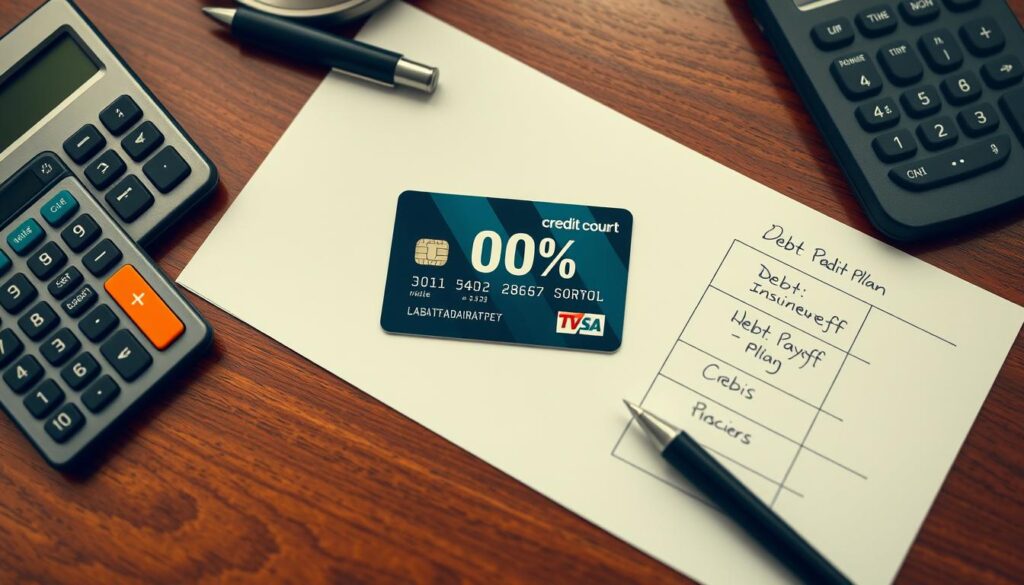
Utilizing balance transfers effectively allows you to pause interest growth while focusing on your principal debt. This strategy moves your existing debt to a new credit card that features an intro 0% APR period. You should know that these balance transfers typically do not earn rewards like points or miles.
Most offers for a balance transfer require a specific fee between 3% and 5% of the total amount. You must calculate if your interest savings exceed this fee before moving your account. If the math works out, balance transfers can save you hundreds of dollars in interest charges.
Before you start, create a firm payoff plan for your credit balance. Divide your total amount by the number of months in the intro period to find your payment. This ensures you pay off the balance transfer before the promotional rate expires.
Be careful with balance transfers because your new account might have a lower credit limit than expected. The balance transfer amount plus any charges will count against your total available credit. Avoid making new purchases on these balance transfers so you do not accumulate new debt.
A strategic balance transfer works best when you are committed to becoming debt-free. Do not use balance transfers as a way to free up spending room on your original credit card. Treat every balance transfer as a temporary tool with a strict fee and intro timeline.
Using balance transfers correctly helps you stop shuffling debt and start eliminating it. These balance transfers require discipline to be truly effective for your financial health. Focus on your balance transfer goals to reach a zero balance faster during the intro offer.
Paying Your Statement Balance in Full Every Month
Paying every penny of your statement balance is the secret to keeping your rewards in your own pocket. When you pay in full by the due date, the bank will not charge you interest on your daily purchases. This strategy ensures you keep every bit of cash back you earn without losing it to bank fees.
If you carry a balance, your credit card will accrue interest based on your specific APR. This cost often grows much faster than any rewards you might gain from your monthly spending. Every month, check your account online or via your paper statement to see your total credit usage.
Setting up automatic payments for your account ensures you never miss a deadline. This simple step protects your cash flow and keeps your credit card in good standing. Even a small remaining balance can lead to daily compounding costs that eat into your cash savings.
Review your monthly statement to track purchases and look for any unusual fees. By managing your account wisely, you turn your credit card into a tool for cash growth. Your latest statement contains all the vital data you need to stay on track with your monthly purchases. Finally, always check your statement for the minimum payment required.
| Payment Strategy | Interest Charges | Reward Retention | Long-Term Cost |
|---|---|---|---|
| Full Statement Balance | None ($0) | 100% Retained | Lowest Cost |
| Partial Payment | Daily Accrual | Reduced Value | Moderate Cost |
| Minimum Payment Only | Compounding High | Wiped Out | Highest Cost |
Tracking Your Spending and Rewards Accurately

Monitoring how you spend and what you earn ensures your reward strategy never leads to debt. Most major credit card issuers offer mobile apps that categorize your purchases automatically. These digital dashboards show exactly how much you spend in specific categories throughout the month.
You should check your account balance and reward totals regularly. Accurate tracking helps you stay within your budget while you maximize the value of your rewards. Set up spending alerts through your mobile app to notify you when you approach your preset limits.
These notifications help you avoid overspending while you meet bonus earning thresholds. Review your weekly transactions to catch unauthorized charges and verify correct category coding. This step ensures you get every bit of cash back you deserve for your purchases.
Tracking your rewards across every card helps you understand your total financial portfolio. Use a spreadsheet or budgeting tool to compare actual spending against your planned budget. This habit keeps your pursuit of rewards aligned with your long-term goals and prevents lifestyle creep.
Checking your account activity helps you spot patterns and identify areas where you might cut back. By keeping your credit card usage transparent, you can adjust your strategy effectively. This simple routine keeps your cash back earnings high and your financial stress low.
Reviewing your account and card activity weekly allows you to identify the best redemption opportunities. When you understand your spending habits, you can choose the right time to use your rewards for maximum value. Consistency is the key to maintaining a healthy and profitable purchases strategy.
Understanding How Credit Cards Impact Your Credit Score
Managing rewards is fun, but you must first understand how each credit card application can impact credit rankings. When you submit an application, the issuer reviews your credit report carefully. This process usually triggers a hard inquiry, which can lower your credit score by a few points.
Every credit card you own helps determine your financial score. Your credit score is a reflection of your habits and financial health. Keeping your credit utilization low is vital to help your score. Having a high score makes it easier to qualify for future rewards and better rates.
Opening new accounts can impact credit score factors like average account age. While a new application increases your total credit, it might lower your score temporarily. However, an impact credit shift is often minor compared to the long-term benefits of on-time payments. Your payment history is the most important factor for your credit score.
You should always keep your oldest credit accounts open. This helps your score stay high by showing a long history. Making informed choices will positively impact credit score results over the years. This strategy ensures you maintain a healthy credit score while you earn rewards. Understanding how things impact credit helps you grow.
A strong score and a high credit score lead to better offers. Your impact credit score determines your future. By keeping a high credit limit, you improve your credit score. Your final score will reflect these smart moves. Maintaining your impact credit score ensures financial freedom.
| Credit Factor | Level of Impact | Best Strategy |
|---|---|---|
| Payment History | Very High | Pay at least the minimum on time |
| Credit Utilization | High | Keep balances below 30% of limits |
| Credit History Age | Medium | Keep your oldest accounts active |
| New Inquiries | Low | Space out your applications yearly |
Avoiding Common Rewards Program Pitfalls
While credit card benefits are great, certain pitfalls can quickly turn a good deal into a financial burden. One major mistake is overspending just to hit a bonus threshold. If you spend more than usual, the interest charges will likely cost more than the rewards you earn.
You should also know that not all purchases qualify for points. Many people try to use their credit card for cash advances or money orders. However, these “cash equivalent” transactions rarely count toward your rewards goals.
Other excluded items include balance transfers, late fee payments, and gambling transactions. Even disputed or illegal purchases won’t help you build your balance. Always check the fine print of your specific offers to avoid surprises.
Another common error is letting your hard-earned rewards expire. Many offers require regular account activity to keep your balance alive. If you don’t use your card, you might lose everything you have saved.
Additionally, some offers have spending limits or “caps” on bonus categories. If you go over the limit, your earning rate drops significantly. Make sure to activate rotating categories every quarter so you don’t miss out on extra cash back.
Finally, avoid paying a high annual fee for a card that you rarely use. Regularly evaluate if the rewards and perks outweigh the yearly cost.
Redeeming for merchandise is often less valuable than choosing travel or statement credits. Make sure the annual fee you pay matches the value you get from the credit card.
| Pitfall Type | Non-Earning Transactions | Common Example | Better Strategy | Impact on Balance |
|---|---|---|---|---|
| Cash Equivalents | ATM, Wire Transfers | Traveler’s Checks | Use Debit Cards | Zero Points Earned |
| Account Charges | Interest & Late Fees | Monthly Penalty Fee | Pay in Full Monthly | Reduces Net Value |
| Ineligible Spend | P2P Transfers | Pre-paid Gift Cards | Normal Grocery Spend | Disqualified for Bonus |
| Misc Transactions | Gambling & Illegal | Lottery Tickets | Avoid Credit Usage | Zero Reward Progress |
Optimizing Multiple Credit Card Usage
Building a curated wallet of specialized cards allows you to capture the highest possible return on every transaction. Using multiple credit cards strategically lets you match each purchase to the specific category that offers the best rate. Instead of using one card for everything, you can rotate between your cards to maximize your total rewards.
A common optimal setup typically includes three to five cards to keep things manageable. You might use one card for dining and travel and another for groceries and gas. Then, use a flat-rate credit card for all other purchases to ensure you are always earning bonus rates.
Organization is essential for success with multiple credit cards. You can use apps to manage your credit cards and track your rewards balances in one place. It is also important to use each credit card occasionally to keep it active. This prevents issuers from closing your credit cards, which protects your credit score and available credit limit.
Before applying for new cards, use comparison tools to find the best fit for your lifestyle. Most tools let you compare up to four cards side by side to see how they earn rewards. If you have the discipline to pay every balance in full, managing multiple cards is the best way to earn more cash back.
You can get more cash back when you carry the right cards for your specific needs. Having several credit cards allows you to get the most rewards from every store you visit. Keeping these cards organized ensures you always use the right one at the register.
| Spending Category | Optimal Card Strategy | Benefit to User |
|---|---|---|
| Dining & Travel | High-multiplier travel card | Faster point accumulation |
| Groceries & Gas | Category-specific rewards card | Higher rebate percentages |
| General Spending | Flat-rate 2% card | Maximum baseline earnings |
| Dormant Accounts | Occasional small purchase | Maintains credit health |
Taking Advantage of Additional Card Benefits and Perks
While earning points is great, many credit cards offer hidden features that save you even more money. These extra benefits often go unnoticed by the average consumer. Your credit card acts as a safety net for your everyday purchases, providing peace of mind through various protection programs.
Many issuers include purchase protection and extended warranties. These perks can double a manufacturer’s warranty or cover stolen items shortly after you buy them. Some issuers even offer cell phone protection. This feature reimburses you for damage or theft if you pay your monthly phone bill with that specific card.
If you love travel, certain protections are incredibly valuable. High-quality travel cards offer trip cancellation insurance and rental car coverage. You can also gain access to airport lounges through programs like Priority Pass. This access provides a quiet space with free food and Wi-Fi during long layovers.
Seamless travel is easier when you have access to premium perks. Many people forget their card includes no foreign transaction fees for international trips. Having access to these features makes your travel experiences much smoother and more affordable.
Security is another major win for any credit card user. You get $0 fraud liability for unauthorized purchases and real-time fraud alerts. Discover even provides free Social Security number alerts to help prevent identity theft. These benefits ensure your money stays safe while you earn rewards.
| Perk Type | Common Feature | Key Advantage |
|---|---|---|
| Shopping | Extended Warranty | Doubles manufacturer coverage |
| Travel | Lounge Access | Free food and quiet workspace |
| Protection | Cell Phone Insurance | Reimbursement for damage or theft |
| Security | Fraud Monitoring | $0 liability for unauthorized use |
Always check your guide to benefits to understand the specific coverage levels. Knowing how to file a claim is essential for maximizing your credit card. Don’t leave money on the table by ignoring these secondary rewards and card features. Your rewards strategy works best when you use every card tool available to you.
Pre-Approval Checks and Smart Application Strategy

You might already be preapproved for a credit card. Discover and many other issuers make it easy to find this out before you ever submit a full application.
These pre-approval tools let you see credit card offers you likely qualify for without any harm to your credit score. This protects your credit profile during the vital research phase.
By using these tools, you can compare a specific offer from multiple lenders. This is much better than looking at advertised credit card offers that may not fit your actual credit situation.
A smart application strategy means spacing out your requests by at least three to six months. Applying for too many cards at once can lower your score and signal financial distress to banks.
Apply for a new credit card based on your specific needs, like an upcoming vacation. Try to find a relevant offer with a high bonus a few months before your trip.
Please remember that pre-approval is not a guarantee of success. The issuer will still conduct a full review during the final credit card application process.
Check your credit status first to ensure you target the right credit card offers for your level. Applying for premium credit card offers without excellent credit leads to a denied application. Being selective about each offer you accept helps you build a strong financial future.
Building Long-Term Rewards Success Habits
Building long-term rewards success habits starts with treating your wallet like a strategic asset every single month. To truly master the system, you must develop sustainable routines that protect your credit. Paying your statement balance in full every month is the most important habit to maintain for your financial health.
This practice ensures you come out ahead with rewards rather than losing your gains to interest charges. You should also evaluate your credit card portfolio once every year. A card that worked for you last year might not be the best credit card for your current spending habits this year.
Strategic users often look for high-value promotions during their first year of membership. For example, Discover automatically matches all the cash back you have earned at the end of your first year. This is a massive boost for new cardmembers, but you must plan for what happens after that first year ends.
Your goal is to ensure each credit card remains beneficial every year. Keeping detailed records of earned rewards helps you track the value you receive. Since issuers change terms throughout the year, staying informed is vital for long-term credit health.
Consistently monitoring your card benefits allows you to optimize rewards effectively. Use your credit wisely to ensure your card profile stays strong. A healthy credit score allows you to secure the best credit card deals in the future.
Planning for your first year and every year with a new issuer requires discipline. Note that even after your first year, the strategy continues. Successful users plan for their first year and beyond to keep their wallets profitable.
| Habit Type | Action Item | Core Benefit |
|---|---|---|
| Financial | Pay balance in full | Eliminate interest fees |
| Strategic | Annual review | Matches card to spending |
| Analytical | Track redemptions | Quantifies actual value |
Conclusion
Transforming your daily spending into tangible benefits starts with a strategic approach. You can earn significant rewards by matching a specific credit card to your existing lifestyle. Focus on making purchases you would normally make rather than buying things just to earn points.
The secret to success is maintaining your credit health by paying your statement in full every single month. This ensures that interest never cancels out the value of your cash back or travel perks. Responsible usage turns every dollar spent into a small win for your wallet.
Stay organized by tracking your daily purchases and reviewing your rewards program rules often. Over time, these habits build a strong credit profile and a steady stream of cash back earnings. Consistency is the primary key to mastering your financial future through smart rewards programs.
Use your chosen credit card as a powerful tool to reach your travel or savings goals quickly. By staying informed about your credit, you ensure that your credit card strategy remains optimized for the long term while maximizing your rewards.