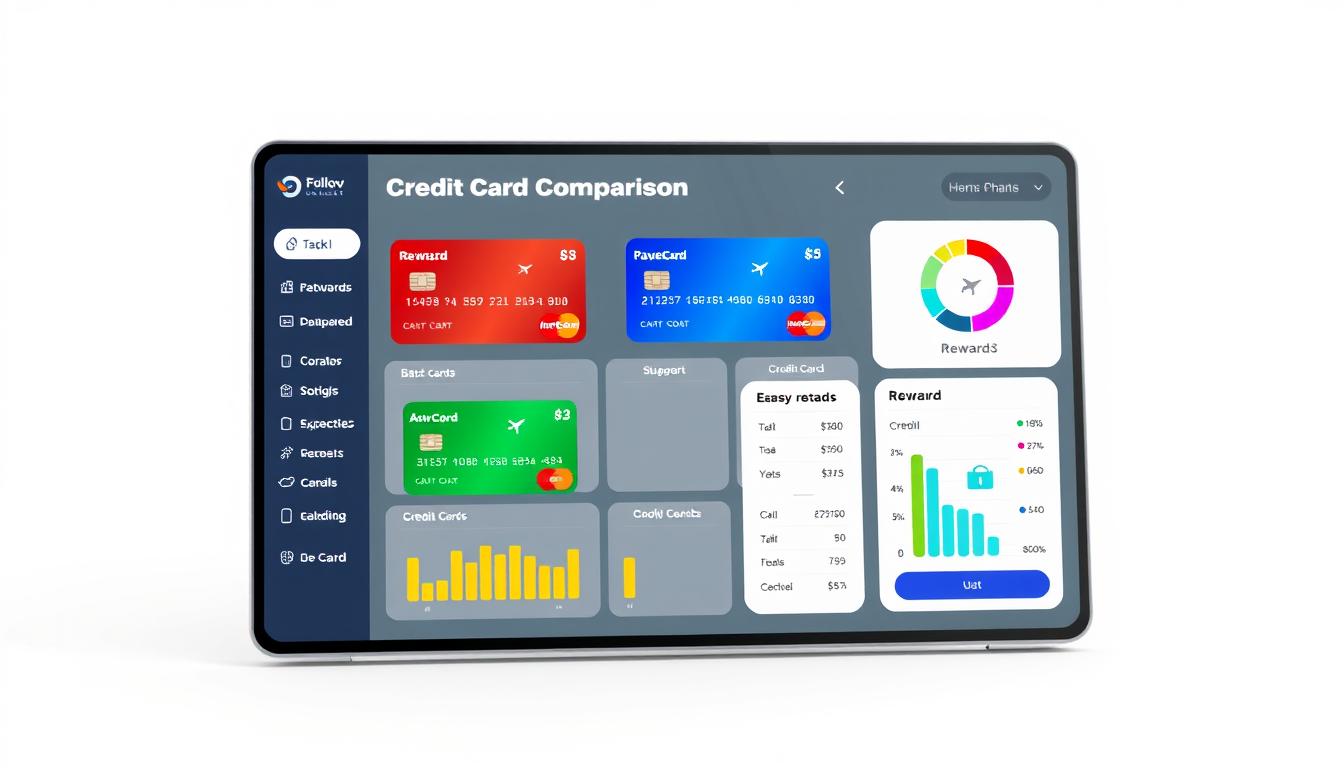
Welcome to a comprehensive guide that breaks down the mystery surrounding spending limits. Many people find it difficult to see how their daily habits shape their financial reputations. We provide easy steps to help you clarify these concepts in plain language.
Understanding your financial health is a vital part of your journey. Your limit is the maximum amount of money you can use on a credit card for purchases or transfers. Learning how your decisions impact credit score results allows you to act with confidence.
We will explore different types of accounts and how to pick the right card for your needs. Managing your credit effectively is a skill that anyone can learn. Taking control of your finances is the first step toward a stable future.
This guide also explains how your usage rates impact credit score factors over time. We look at how to find a card that fits your lifestyle while you boost your score through smart habits. Every small step helps you build a much stronger profile.
Whether you are starting out or rebuilding your past, these insights offer real value. We offer friendly, supportive advice that is accessible to everyone, regardless of their background. Actionable tips make it simple to improve your standing starting today.
From basic definitions to smart rewards, we cover everything a credit card owner needs to know. We also discuss how to use your credit to reach your long-term goals. By the end, you will have a clear plan to maintain excellent financial health.
What Is a Credit Limit and How Does It Work?
A credit limit acts as a financial boundary, defining exactly how much a bank trusts you to borrow. It represents the maximum dollar amount a lender approves for your credit card account. This figure shows the bank’s confidence in your ability to manage and repay borrowed funds responsibly.
When you apply for a credit card, the issuer evaluates your income level and current debts. They also pull your credit report, which usually results in a hard inquiry on your file. This process helps them decide your initial credit limit based on your overall creditworthiness.
Your card functions as a revolving line of money that you can access whenever you need. As you make purchases, your available credit decreases accordingly. However, paying down your balance on the card restores that limit for future purchases.
Responsible credit card usage often leads to automatic limit increases from the issuer. They reward good payment behavior on the account with higher spending power. To master your card learn how this limit impacts your utilization ratio and your overall score.
A credit card with a high limit can significantly improve your financial profile and flexibility. Each card offers a different structure based on the specific type of product you choose. Below is a comparison of common limit structures you might encounter.
| Card Category | Potential Limit | Primary Purpose |
|---|---|---|
| Secured Account | $200 – $1,000 | Building credit history |
| Standard Rewards | $2,000 – $5,000 | Daily spending flexibility |
| Premium Luxury | $10,000+ | Elite travel perks |
Understanding these limits helps you make informed decisions about your spending and monthly payments. By managing your individual card features wisely, you can optimize your long-term financial health.
Understanding Credit Utilization: The Most Important Factor
Your credit score relies heavily on a single number: the ratio between what you owe and what you could spend. This ratio, known as credit utilization, measures the percentage of your total available limit you are using. To find this number, divide your total credit card balances by your combined limits across every account.
This credit factor accounts for 30% of your FICO calculation. It is the second most important metric after your payment history. Lenders use it to see how much of your revolving debt you rely on each month.
Keeping your usage low shows lenders you are not overly dependent on borrowed money. You should aim to keep your total usage below 30% to avoid a negative impact credit profile.
People with the highest ratings often stay below 10% across all accounts. Even a small spike in monthly purchases can cause your score to drop several points. Staying well below your limits demonstrates strong financial responsibility.
| Utilization Level | Impact on Profile | Lender Perception |
|---|---|---|
| Under 10% | Highly Positive | Low Risk |
| 10% – 30% | Neutral to Positive | Stable User |
| Over 30% | Negative | High Dependency |
Issuers look at both individual card usage and your overall total. If one credit card is maxed out, your health could suffer even if others have zero balances. This suggests potential financial stress to a lender.
Remember that banks report your balance on the statement closing date. This date often happens weeks before your actual payment is due. Making multiple payments throughout the month can help keep these reported purchases low on every card.
You can also request a limit increase to improve your credit ratio instantly. Spreading your purchases across several accounts helps maintain low usage per credit card. These strategies help you maintain a healthy financial standing.
Using credit wisely helps you build a strong profile over time. Having a high limit doesn’t mean you should spend more. Treat your card as a tool for building trust with your bank.
Key Factors That Affect Your Credit Score
When you submit a credit card application, several moving parts determine your final rating. Lenders review your credit history and annual income to decide on your specific terms. One simple way to help your credit score is to pay all your bills on time every month.
Your score depends on five main areas that lenders weigh differently. Payment history is the most important factor, making up 35% of the total calculation. Even one late payment on an account can stay on your report for seven years and cause significant damage.
The length of your credit history also plays a role in your terms. Keeping an old account open helps your average age, which shows you can manage debt over a long period. Lenders also like to see a credit mix, including auto loans or mortgages, to prove you are a responsible borrower.
| Credit Factor | Percentage | Impact Level |
|---|---|---|
| Payment History | 35% | High |
| Credit Utilization | 30% | High |
| Length of History | 15% | Medium |
| Credit Mix | 10% | Low |
| New Credit | 10% | Low |
Submitting a new application triggers a hard inquiry, which may cause a temporary dip in your numbers. However, checking your own report is a soft inquiry and never hurts your rating. Using credit wisely by focusing on timely payments and low balances provides the best long-term results.
How Credit Limits Impact Your Financial Health
A higher limit does more than just increase your buying power; it shapes your reputation with lenders. Your credit card limit directly influences your purchasing power and financial flexibility. This cushion helps you handle unexpected expenses or seize timely opportunities without stress.
Understanding credit is key to your financial health and provides peace of mind. However, a high limit on your card requires discipline. It should never be seen as a target spending amount to reach each month.
Strategic management of your account offers valuable benefits like improved scores and lower interest rates. Higher limits naturally lower your utilization ratio, which signals reliability to future lenders. This becomes crucial when you apply for a mortgage or auto loans.
| Financial Metric | Low Credit Limit | High Credit Limit |
|---|---|---|
| Purchasing Power | Restricted | Expanded |
| Credit Utilization | High risk | Low risk |
| Lender Trust | Emerging | Established |
Matching card features to your actual financial needs promotes healthier habits. A well-managed credit card can grant you access to premium benefits and rewards. Ultimately, use your account as a tool to support your long-term credit goals.
Responsible use of your credit card shows you are a reliable borrower. Always treat your card limit as a safety net rather than a reason to spend more. Mastering your credit limits leads to a stronger financial future.
Cash Back Credit Card Options for Maximum Rewards
Getting money back on your daily expenses is one of the best perks of modern credit card ownership. These popular programs return a percentage of your spending directly to you. This useful feature reduces the cost of your everyday purchases when you manage your card responsibly.
Flat-rate options like the Wells Fargo Active Cash Card provide great simplicity for most users. You can earn unlimited cash rewards at a consistent 2% rate on all net purchases. This means you never have to track rotating categories to get your cash back.
If you spend heavily in specific areas, category-specific cards might fit your lifestyle better. These often offer higher cash rewards on things like groceries, gas, or dining. You can earn more cash back on your most frequent back purchases by choosing the right card.
Some cards use rotating categories that change every three months to keep things interesting. These may offer 5% cash rewards on select cash back purchases during the quarter. However, they require more active management to maximize your back earnings successfully.
Do not forget to look for a substantial welcome bonus when applying for a new card. For instance, you can earn $200 cash rewards with the Wells Fargo Active Cash card. You simply need to spend at least $500 in net purchases within the first 3 months.
The Discover unlimited cash program includes a unique Cashback Match feature for all new cardmembers. Discover automatically matches all the cash rewards you have earned at the end of your first year. This turns your rewards into a significant amount of cash.
To truly benefit from these programs, you must pay your statement balance in full each month. Interest charges can quickly erase any cash you earn from your back purchases. Most issuers allow you to redeem cash rewards as statement credits or direct deposits.
Unlimited cash rewards make it easy to accumulate real value over a long period. Whether you prefer cash back purchases or flat-rate rewards, the right credit card makes a difference. Always verify if your account offers unlimited cash on every back transaction.
Maximizing your back earnings requires consistent and strategic spending habits. Using cash back purchases for essentials ensures you always receive cash rewards. Unlimited cash potential helps you save more on every back purchases you make throughout the year.
Finally, look for rewards that fit your specific financial goals and needs. Some prefer cash rewards for travel, while others want cash sent to their bank. The best cash back deals provide unlimited cash on all your cash back purchases.
Travel Rewards and Points Programs

Travel rewards credit programs help frequent flyers earn miles and valuable currency. These specialized systems turn your daily spending into free flights and hotel stays. You can also use a rewards credit tool to cover car rentals and other vacation costs.
The Wells Fargo Autograph Journey is a powerful rewards credit card for explorers. It offers 60,000 bonus points when you spend at least $4,000 in the first three months. This rewards credit option earns five points per dollar on qualifying hotel stays.
You also get four points on airlines and three points on restaurants and other travel. The Wells Fargo Autograph is another excellent rewards credit choice for casual spenders. It gives 20,000 bonus points for spending at least $1,000 within three months of account opening.
This rewards credit account earns three points on travel, transit, and gas. It also covers dining, phone plans, and popular streaming services. A Discover it® Miles rewards credit card also works well for simple travel savings on staycations.
A smart rewards credit strategy involves using one primary card for most purchases. Concentrating your spending helps you accumulate bonus points much faster than spreading it around. Many travel programs also offer extra perks like trip cancellation protection and airport lounge access.
Flexible rewards credit programs let you transfer points to different airline and hotel partners. This adds massive value when booking expensive travel routes or luxury resort stays. Use your bonus points to lower the total cost of your next big travel adventure.
Understanding each rewards credit system is vital for getting the best redemption deals. Some programs offer much higher value for specific travel categories or booking partners. Choose a card that matches your spending habits to maximize your total annual value.
Balance Transfer Cards: Managing Existing Debt
Balance transfers offer a smart way to hit the pause button on high interest rates. These balance transfer options usually feature a 0% intro apr for 12 to 21 months. This intro window allows you to pay down debt without extra interest.
A balance transfer works by moving high-interest debt to a new credit card. By using an intro apr offer, you save significant money. This intro apr period makes paying off your total balance much more attainable.
Most balance transfers come with a specific balance transfer fee. This fee is usually 3% to 5% of the transferred amount. Calculate if this balance transfer fee is worth the savings during your intro apr window.
Divide your debt by the months available in the intro offer to plan payments. Remember, balance transfers do not earn rewards, even when using SUPERCHECKS. These balance transfers will also lower the credit card limit for other offers.
Your card limit is affected by how many balance transfers you complete. High balance transfer amounts can change your utilization. Always confirm your standard apr once the intro apr window ends to stay safe.
Avoid new purchases on the card to focus on debt. This intro balance transfer strategy works best with a clear plan. Most banks won’t let you do balance transfers between their own cards.
Pay the balance transfer fee and enjoy a low intro apr while you clear debt. Use the intro period wisely to reach zero. This intro fee is a small price for financial freedom.
Ensure your card stays in good standing throughout the intro apr months. This helps you maximize the benefits of the promotional period. Consistent progress will help you regain control over your finances quickly.
Best Credit Card for Building or Rebuilding Credit
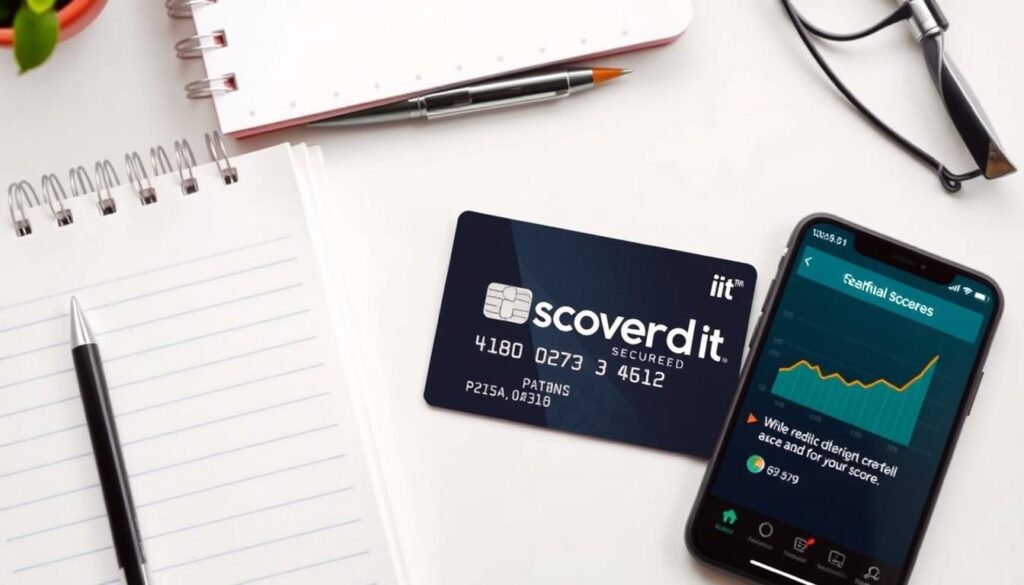
Finding the right credit card to build or rebuild your credit doesn’t have to be a stressful experience. Secured credit cards are a fantastic option for people with limited history or those working to fix past mistakes.
These tools allow you to demonstrate financial responsibility to lenders. Issuers design these cards for those who might not qualify for traditional cards. They are specifically meant for people starting over or just beginning.
You provide a refundable security deposit, which usually ranges from $200 to $2,500. This deposit acts as your credit limit and secures your account against potential missed payments. This makes approval much easier for people with challenged histories.
The Discover it® Secured Credit Card stands out because it offers cash back rewards. Most other entry-level options do not provide these perks. With this card, learn to maximize your benefits while you build a better future.
With this card, learn to pay your full balance on time every single month. The issuer reports your account activity to Experian, Equifax, and TransUnion. Consistently managing your credit will help your score grow steadily over several months.
Many issuers review credit cards after you show seven months of good behavior. They might return your deposit and upgrade you to an unsecured credit card. Using a credit card properly is the fastest way to improve your score.
Improving your credit score is a marathon that requires patience and steady effort. While you wait for an upgrade, treat every card you own with extreme care. This card will eventually lead to better cards with higher limits and lower rates.
Student Credit Cards: Starting Your Credit Journey

Building credit while in school is easier with products designed specifically for students. These specialized cards provide lenient approval requirements that account for limited income and credit experience. They help you establish a solid history while you focus on your studies.
The Discover it® Student Cash Back card lets you earn rewards on everyday purchases. Students also like the Discover it® Chrome for Students which gives rewards for gas and restaurant purchases. Every eligible card use builds your foundation for the future.
To get a credit card learn about the income rules first. If you are under 21, you must show independent income or have a co-signer due to CARD Act regulations. You can include part-time jobs, scholarships, or even parental allowances on your credit application.
Applying for a credit card online is simple for those with limited history. This card type often includes tools for credit monitoring and fraud protection. To find the right credit card learn how each card fits your unique spending habits.
Using your cards responsibly means keeping utilization low and paying balances in full. This healthy habit helps you qualify for car loans and apartment leases after graduation. To choose a credit card learn more about how rewards can benefit your monthly budget.
All Discover cards earn rewards on all eligible purchases. These rewards make a big difference when buying textbooks or dining out. A student credit card is a smart way to start your financial life today. Having a credit card allows you to build credit while earning rewards on your path to success.
Understanding Annual Fees vs. No Annual Fee Cards
Understanding the balance between an annual fee and potential card benefits is crucial for long-term financial health. Many premium products charge a yearly fee ranging from $95 to $695. However, every Discover credit card has no annual fee, which simplifies your financial planning.
A no annual fee card provides excellent value for those who want straightforward rewards. You can use your credit card daily without worrying if your spending justifies a high fee each year. For most consumers, these cards offer the most reliable path to earning rewards without extra costs.
If you consider a premium option, you should perform a break-even analysis. Divide the annual fee by your expected reward rate to see if the value exceeds the cost this year. Frequent travelers often find that luxury perks, such as airport lounge access, justify a higher membership fee.
| Card Category | Yearly Cost | Primary Perk | Best Usage |
|---|---|---|---|
| No-Fee Option | $0 | Cash Back | Everyday Spending |
| Mid-Tier Cards | $95 – $250 | Travel Credits | Frequent Shoppers |
| Premium Luxury | $450+ | Lounge Access | Global Travelers |
Some issuers waive the membership cost for the first year of use. This provides a risk-free way to test if the card features fit your lifestyle. Always ensure that the long-term rewards provide a positive return before you commit to paying a fee next year.
How to Choose the Right Credit Card for Your Needs

Matching a credit card to your specific lifestyle is the secret to maximizing every dollar spent. Start by looking at where your money goes each month. Do you spend most of your budget on groceries, gas, or dining out?
Analyzing these patterns helps you find a card that meets your unique needs. Some people prefer the simplicity of cash back on every purchase. Others want to earn travel perks for their next big vacation.
A cash back option provides straightforward value for your daily expenses. Meanwhile, travel programs might offer more points but require strategic planning. Always choose a rewards structure that you will actually use.
Before you apply, evaluate your current credit score carefully. You want to pick cards that are likely to approve your application. Premium rewards often require higher scores, so be realistic about your financial standing.
Consider whether a credit card with an annual fee is worth it. If the rewards and perks like lounge access outweigh the cost, it might be a great deal. However, many find that a no-fee card fits their needs better.
Read online reviews to perform a credit card comparison before deciding. Look for a card that offers long-term rewards rather than just a one-time bonus. Consistent rewards provide the best value over time.
Ultimately, the right card choice depends on your personal financial goals. Use online tools to compare cards carefully to find the best fit. This ensures your new credit card gives you the rewards and cash back or travel rewards you deserve.
The Credit Card Application Process Explained
When you’re ready to expand your wallet, knowing exactly what to expect during a credit card application can save you time and stress. You can apply for most Discover card options at Discover.com or by calling 1-800-DISCOVER (1-800-347-2683). Just remember that you must be at least 18 years old to apply.
If you are under 21 or seeking a secured option, you must complete your application online. Before starting, gather your Social Security number, annual income, and monthly housing costs. To help every new card learn about your financial habits, pick a product that aligns with your spending.
When you submit an application, the issuer pulls your credit report to check your history. This “hard inquiry” might lower your score by a few points temporarily. However, checking your own score is a soft inquiry and does not hurt your credit profile.
| Application Type | Common Requirements | Response Time |
|---|---|---|
| Online Form | SSN, Income, Housing | Minutes |
| Phone Request | Identity Verification | Varies |
| Pre-qualification | Basic Contact Info | Instant |
Always review the terms carefully to understand the APR and any annual fees. Before you pick a card learn the terms regarding late payments or interest. A credit card issuer uses this data to decide if they will approve your account.
You might receive an instant approval, a denial, or a notice that your application is pending. Be honest on your application, as misrepresenting income can lead to a closed account. To help a card learn your needs, ensure all provided information is current and 100% accurate.
Avoid submitting a credit card application several times in a short window. Too many inquiries can signal financial trouble to a credit lender. Focus on managing your account responsibly to maintain a strong credit score and favorable terms over time.
What Credit Card Issuers Look for in Applications
Banks and lenders dive deep into your financial history whenever you request a new credit card to manage your daily purchases. They primarily use your credit score to place you into specific tiers, ranging from excellent to poor. This score acts as a quick snapshot of your financial reliability for the lender.
Beyond the number, issuers examine your full credit report for late payments or bankruptcies. They also check your current account balances to see how much of your limit you use. High utilization might suggest you are overextended and struggling to manage your current debt.
Your annual income is another vital factor in the application process. Lenders need to ensure you can afford future purchases and repay what you borrow. They often compare your earnings to your monthly debt obligations to find a healthy income-to-debt ratio.
| Credit Tier | Score Range | Typical Approval Focus |
|---|---|---|
| Excellent | 750 – 850 | Premium rewards and low rates |
| Good | 700 – 749 | Standard travel and cash back |
| Fair | 650 – 699 | Building or rebuilding tools |
| Poor | Below 650 | Secured options for growth |
Some banks enforce strict rules, like the 5/24 policy, which limits how many account openings you can have recently. Even with a perfect credit history, having too many new card options might lead to a denied application. Banks also look for employment stability to confirm your income will stay consistent.
Having a prior relationship with a bank can also help your application. Issuers often give preferential treatment to existing customers with a checking or savings account. If one credit card is out of reach, the same issuer may have a simpler card that fits your current profile.
Finally, lenders review your credit utilization to measure risk. They calculate your total available credit against your income to prevent over-borrowing on new purchases. Understanding these internal benchmarks helps you apply with confidence.
Building Credit with Responsible Card Use
Proving your creditworthiness requires a consistent approach to managing your daily spending and monthly bills. As you demonstrate responsible credit use, issuers often reward you by increasing your credit card limit automatically. This growth signals to other lenders that you are a reliable borrower.
Successful management centers on three core habits. First, ensure every payment arrives by the due date. Second, keep your credit utilization below 30% of your total limit. Finally, check your account regularly to catch any errors or signs of fraud early.
Each month, you will receive a monthly statement that lists your purchases and the minimum amount due. Paying the full statement balance is a powerful strategy to avoid interest charges entirely. This approach lets you use your card like a short-term interest-free loan while you earn rewards on purchases.
Your history accounts for 35% of your total score. Even one late payment on a credit card can cause your numbers to drop significantly. Setting up automatic transfers for the minimum amount serves as a great safety net for your account status.
Keep your older credit accounts open to maintain a long history and lower your utilization ratio. Over 6 to 12 months, these steady habits will help you qualify for better terms and premium card offers. You should track your statement for accuracy on all recent purchases.
Responsible credit habits allow you to maximize the benefits of your card while avoiding debt traps. When you treat your credit card like a financial tool, your score will naturally improve over time. Consistent use of your account is the key to long-term success.
| Balance Type | Definition | Interest Impact |
|---|---|---|
| Statement Balance | Total from billing cycle | Zero interest if paid in full |
| Minimum Amount | Smallest accepted portion | High interest on remaining debt |
| Current Balance | All purchases to date | Total debt on the card |
Proven Strategies to Improve Your Credit Score
Better credit habits can lead to a better credit score. If you’re looking to improve your credit, check out some of our helpful tips. By following a few simple steps, you can help ensure you’re headed in the right direction when it comes to managing your debt.
One of the fastest strategies involves paying down your credit card balances. Reducing your utilization below 30%, or ideally under 10%, can increase your score by 20 to 50 points. This jump often happens within one or two billing cycles as the credit card issuer reports your new balance.
Try the payment timing hack to keep your balances low. Instead of one large sum, make multiple smaller payments throughout the month. This ensures your statement closing date reflects a low balance even if you spend regularly.
Requesting a higher limit on an existing account also helps your numbers. This move instantly improves your utilization ratio without requiring you to spend any extra money. You will typically see the benefits of this strategy within 30 to 60 days.
Always check your report for errors or inaccuracies. Incorrectly reported late payment entries or unfamiliar accounts can be challenged through the credit bureaus. Successful disputes will improve your standing once the bureaus correct the information.
You can also become an authorized user on someone else’s card. If the primary account holder has an excellent history, their positive habits can boost your numbers. Just make sure the account holder continues to use their credit responsibly.
Prioritize paying off high-utilization card balances first. Even if these don’t have the highest interest rates, reducing the ratio quickly improves your credit profile. After you lower those balances, you can focus on other outstanding debts.
Patience remains vital because major improvements usually require three to six months. Keep every payment record perfect and avoid applying for too many new loans at once. These consistent habits build a foundation that lenders truly value.
Aging your account naturally over several months creates a more stable history. Over time, these small actions compound into an excellent financial profile. Consistent effort will eventually lead to the best interest rates available in the market.
| Improvement Strategy | Primary Benefit | Estimated Timeline |
|---|---|---|
| Reduce Utilization | Lowers statement balance ratios | 1 – 2 months |
| Dispute Errors | Removes inaccurate negative marks | 30 – 90 Days |
| Authorized User | Adds positive credit history | 1 – 2 Billing Cycles |
Common Credit Card Mistakes That Hurt Your Score
Managing a credit card requires discipline to avoid expensive pitfalls. Even the most responsible spenders can accidentally trip up and see their numbers drop due to common oversights. Awareness is the first step toward long-term financial protection.
| Mistake | Financial Cost | Credit Impact |
|---|---|---|
| Missing Payments | Late fees and high interest | Severe score drop |
| Maxing Out Limits | Interest on high balances | High utilization damage |
| Cash Advances | Immediate high interest | Signals financial distress |
| Co-signing | Shared legal debt | Risk from others’ habits |
The most damaging error is missing a payment due date. This triggers a late fee and stays on your report for seven years. Just one late account status can drop your credit score by up to 100 points.
Another trap is the “minimum payment” cycle. While it keeps your credit active, it builds massive interest charges over time. Use your card for everyday purchases but try to pay the full amount to stay safe.
Avoid taking a cash advance from your card. You will pay a high fee and interest starts accumulating right away. Unlike regular purchases, these specific transactions do not earn any rewards or points.
Maxing out your limit will negatively impact credit health immediately. Closing an old account is also risky as it shortens your history and spikes utilization. Always check your statement to catch a hidden fee or unauthorized purchases.
Opening many credit card lines at once creates too many hard inquiries. Co-signing for a travel credit card also puts your credit at risk if the other person fails. A retail credit card is a tool that requires careful and constant oversight.
Conclusion
Using your credit card the right way is the key to better benefits and financial freedom. This powerful tool helps you build a solid history while giving you flexibility for your daily life. Whether you like cash rewards on groceries or travel rewards for your next trip, the right card makes a big difference.
Focus on the basics to get the most out of your credit profile. You should pay your balance in full every month to avoid expensive interest. Keep your usage below thirty percent to protect your credit score and stay eligible for the best financial products.
You can grow your cash back potential by choosing a credit card that fits your spending habits. Improving your rating is a journey that takes patience and hard work. Over time, your consistent efforts will lead to higher limits and even better rewards opportunities.
Take action today by looking at your recent statements to find ways to improve. By earning cash rewards, you turn regular monthly costs into real savings. Everyone can reach a great rating by making smart choices and keeping healthy credit habits every day.
Pick a card that offers the best rewards and cash back for your unique lifestyle. Enjoy the cash rewards you deserve by spending wisely and paying on time. Your work to maintain a healthy account will pay off with long-term safety. Use these rewards to reach your goals while keeping your credit usage under control.
| Smart Habit | Financial Benefit |
|---|---|
| Pay balance in full | Eliminate interest charges |
| Low utilization | Improved credit rating |
| Regular monitoring | Early fraud protection |
| Redeem rewards | Increased monthly savings |