
Selecting between various payment methods often feels like a complex guessing game. Welcome to our comprehensive guide on identifying the best tool for your personal wallet. Whether you want to earn rewards or manage your cash flow, we have you covered.
A debit account works great for daily purchases and staying on a strict budget. However, using a credit card offers extra safety and fraud protection when shopping online. This choice helps you save money and keep your identity secure.
This roadmap explores how to earn high rewards and extra value on every dollar spent. You will learn to pick the best path for travel and major purchases. Our goal is to help you handle your cash with total confidence and ease.
We will look at real-world examples to show where debit excels. Matching your payment to the specific task ensures you get the most rewards. Let’s start improving your habits today with simple strategies to maximize your cash potential.
Understanding the Key Differences Between Credit and Debit Cards
The fundamental distinction between these two payment methods starts with where the money actually originates. When you use a credit card, you borrow money from the card issuer to pay for things now and settle the bill later. Each transaction acts as a small, short-term loan that you must manage wisely.
Your credit limit depends on your income and financial history. Every month, you receive a statement showing all your purchases and the minimum amount due. If you pay the full balance by the deadline, you avoid interest charges entirely, but carrying a balance triggers your APR.
A debit transaction works by pulling funds directly from your checking account almost instantly. You can only spend the cash you already have on hand. While this helps you stay on a budget, it also carries the risk of overdraft fees if your balance drops too low.
A credit card helps you build a solid credit history when you use it responsibly. In contrast, using a debit card does not help your score because banks do not report these transactions. Both options provide much better security and convenience than carrying cash in your pocket.
Choosing the right card for daily purchases depends on your current cash flow and long-term goals. Understanding how these tools affect your bank account helps you build a better credit profile. Always pick the tool that fits your personal financial strategy.
| Feature | Credit Card | Debit Card |
|---|---|---|
| Money Source | Issuer’s line of credit | Personal bank account |
| Spending Limit | Approved credit limit | Available cash balance |
| Credit Impact | Builds credit history | No impact on score |
| Monthly Cost | Interest on purchases | No interest charges |
When Credit Cards Are Your Best Payment Option
Navigating when to pull out your credit card helps you maximize your financial benefits. For large purchases like appliances or furniture, using a credit account is a very smart move. These transactions often come with extended warranties and credit card purchase protection that a standard bank account simply does not offer.
If a high-end product breaks or arrives damaged, you can easily dispute the charge with the issuer. This keeps your actual money safe in your bank while the company investigates the issue. Credit card use is also excellent for managing recurring subscriptions and automatic monthly payments safely.
Online shopping is significantly safer with a card due to superior fraud protection features. Most issuers provide zero liability for fraudulent charges, which shields you from unauthorized access to your funds. Beyond safety, every eligible card transaction helps you earn valuable rewards on your everyday spending.
Choosing a credit card is also essential for reservations at hotels or with rental car companies. These businesses often require a card to hold your spot, and using credit provides better security than a debit alternative. Plus, you might even snag a sign-up bonus for reaching a specific spending limit.
Making regular purchases and paying them off in full is the best way to build a positive history. Each time you earn rewards or cash back, you are essentially getting a discount on your daily life. This strategic use of your credit card ensures you get the most value out of every dollar on all your purchases.
| Purchase Type | Best Feature | Key Benefit |
|---|---|---|
| Large Electronics | Purchase Protection | Extended warranties and rewards |
| Online Retail | Fraud Shield | Zero liability and cash back |
| Travel & Hotels | Reservation Holds | Travel rewards and bonus points |
Travel Expenses: Why Your Credit Card Should Come First
Navigating the world of travel expenses becomes much easier when you prioritize your credit card over debit. This simple choice changes how you experience every journey from the moment you book.
Using a credit card for travel purchases like flights and vacation packages offers amazing benefits. Many specialized options, like the Wells Fargo Autograph Journey card, give you five rewards points for every dollar spent on hotels. You can also earn four points per dollar on airline purchases, making your spending work for you.
Booking with a travel card often unlocks a bonus and miles that help pay for future trips. These miles provide huge value compared to standard spending. Every travel experience becomes more affordable when you maximize these rewards over time.
Beyond earning miles, a credit card protects your cash better than a debit account. When you rent a car, the agency usually requires a credit card for the security deposit and insurance waiver. Hotels also place holds on your account that can tie up your cash for days if you use a bank card.
International travel is much cheaper with a dedicated travel card. Most debit cards charge a fee on foreign purchases, but many travel cards waive these extra costs entirely. You also get valuable travel insurance, covering lost luggage or trip cancellations automatically.
Finally, a credit card provides better fraud protection while you are abroad. You can enjoy your bonus and miles while staying safe from unauthorized transactions. These rewards make it the best way to spend your cash and earn rewards for your next rewards travel journey.
Maximizing Rewards on Dining and Restaurant Purchases
From quick morning coffees to late-night dinners, your dining habits can unlock incredible savings when you use the right plastic. For many households, eating out is a major monthly expense. Using a dedicated credit card for these purchases can lead to significant annual rewards.
Restaurant spending is a top-tier category for many lenders. Most cards offer between 2% and 4% cash back at various dining establishments. It is vital to understand how merchant category codes work. These codes classify whether your purchases at bars, cafes, or fast food chains qualify for a bonus on your card.
High-value options like the Wells Fargo Autograph card earn three points per dollar spent. This includes eating places, drinking spots, and even caterers. Similarly, the One Key Mastercard gives you 3% in OneKeyCash on your dining bills. Choosing the right card helps you earn more based on where you eat most often.
Some issuers use rotating categories to give more back during specific months. You must often activate these offers to receive the bonus rate. Be careful with delivery services or meal kits, as they do not always count as dining. Always check if your credit card treats these transactions differently than a standard sit-down meal.
You can boost your earnings by joining restaurant loyalty programs. This creates a multiplier effect where you earn rewards from both the eatery and your credit card. Splitting the bill with friends is another easy way to gain extra rewards on the total amount. A smart dining strategy ensures you never leave money on the table.
| Card Name | Reward Rate | Best For |
|---|---|---|
| Wells Fargo Autograph | 3x Points | Restaurants, Bars, and Caterers |
| One Key Mastercard | 3% Back | Fast Food and Sit-down Dining |
| Standard Rewards Card | 2-4% Cash Back | Cafes and Local Eateries |
Gas Station Purchases: Credit Card Benefits at the Pump
Choosing a credit card for your fuel needs offers a layer of protection that debit cards simply lack. Gas stations are prime targets for skimmers and electronic fraud. Using a card ensures your actual bank account remains hidden from potential theft at the gas station.
Most lenders offer elevated rewards for fuel purchases. For instance, the Wells Fargo Autograph card earns three points per dollar at the pump. Meanwhile, the One Key Mastercard gives users 3% in OneKeyCash on their gas spending. Banks and lenders usually code automated fuel dispensers and EV charging stations as gas transactions for these purchases.
Both traditional gas stations and electric vehicle charging spots count toward these totals. Drivers can earn hundreds in cash back annually just by commuting to work or taking family road trips. Some programs even offer a 5% bonus during specific months of the year when you activate a seasonal offer.
Many stations place an authorization hold of $75 to $125 on your card when you swipe. On a debit account, this hold freezes your real money for several days. A credit card simply reduces your available credit line temporarily without affecting your monthly budget or immediate cash flow.
You can often stack your credit rewards with station loyalty points for even deeper discounts. This makes every trip for gas more affordable over time. Using a credit card also provides peace of mind with every one of your fuel purchases. Most drivers find that the gas category is their most valuable perk. Smart shoppers always use a credit card at the gas island to stay safe and save money.
| Gas Category | Top Benefit | Typical Rewards |
|---|---|---|
| Premium Card | Fraud Protection | 3x Points |
| Store Brand | Loyalty Stacking | Station Discounts |
| Best Gas Card | Commuter Savings | 3% Cash Back |
When Using Your Debit Card Makes More Sense
Sometimes the smartest financial move is reaching for your debit card instead of borrowing money. Using a debit card ensures you only spend what you actually have in your bank account. This simple choice creates a hard limit that prevents overspending and helps you build strong financial habits.
For small everyday purchases like a morning coffee or quick snacks, debit is often the better tool. These tiny costs can quickly clutter a credit statement, making it easy to lose track of your total balance. By using your debit card for items under $20, you keep your debt levels low and manageable.
When you need physical cash, always use your debit card at the ATM. Using a credit line for a cash advance is extremely expensive because banks charge immediate interest and high transaction fees. Your debit card allows you to access your own funds without these unnecessary penalties.
Many small businesses and government agencies also prefer transactions that do not involve borrowing. Some merchants even add a 3% surcharge for credit use, making it the more expensive option for the consumer. Paying your utility bills or rent through your bank account usually avoids these extra convenience fees.
| Spending Situation | Preferred Method | Financial Benefit |
|---|---|---|
| ATM Withdrawal | Debit | Avoids high interest rates |
| Small Coffee purchases | Debit | Keeps monthly debt organized |
| Utility Payments | Debit | Eliminates convenience surcharges |
Finally, P2P apps and money transfers work most efficiently with a direct bank connection. Most platforms treat credit transfers as a cash loan, which triggers instant costs. Sticking to your bank account ensures your purchases remain simple and affordable while getting cash to friends or family with your card.
How Credit Card Rewards and Cash Back Programs Work
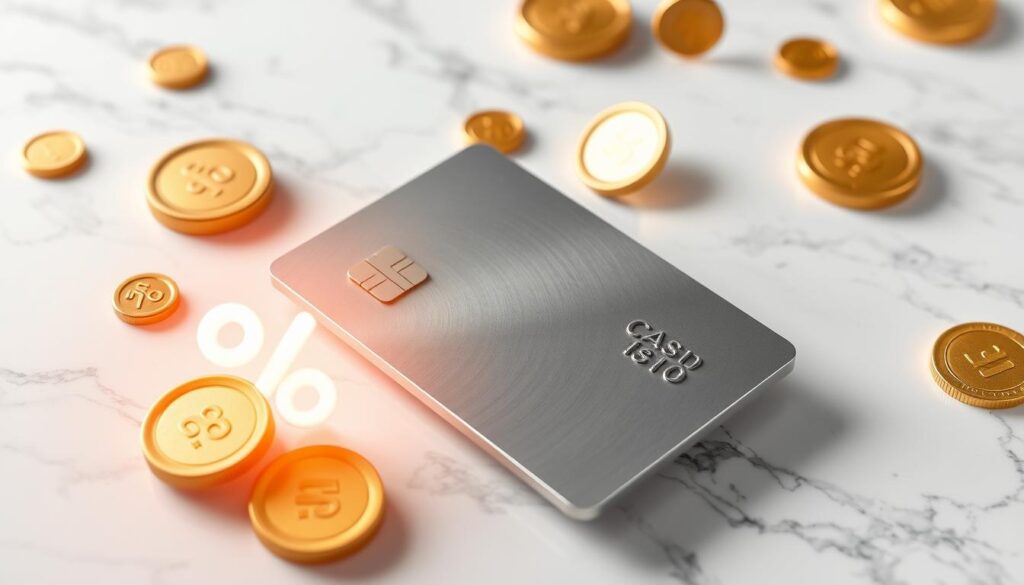
Ever wonder how those cash rewards you see on TV actually end up in your pocket? When you use a rewards credit program, the issuer returns a percentage of your purchases to you. Most credit card options offer 1% on general items and higher rates on a bonus category.
For instance, Discover offers cash back or miles on every transaction. They provide a unique Cashback Match for new members, doubling all rewards earned at the end of your first year. This rewards credit feature makes it a top choice for beginners.
When you apply for a credit card, the issuer checks your credit report and income. This helps them set your card limit and approve your application. You can often choose between cash rewards and points systems.
You can redeem cash back as a statement credit or a bank deposit. Conversely, you can use points for airfare, hotels, or gift cards. A rewards credit strategy works best when you pay your balance in full every month.
Interest fees will quickly cost more than any cash rewards you might earn. Many programs offer a large bonus after you spend a specific amount. This makes a new credit card very valuable during the first few months.
To maximize your cash rewards, look for rewards credit cards that fit your spending. Some card options offer rotating categories that give even more back. Always read the rewards terms to see which purchases count.
Some card issuers exclude cash advances or specific fees from earning points. Strategic rewards credit users often use shopping portals to earn extra cash rewards. These portals can multiply the points you get from a single card swipe.
You will find high-value cash back most easily on a credit card with unlimited earning potential. This ensures you get back a piece of every dollar spent on eligible purchases. A rewards credit plan should always prioritize redemption value.
Sometimes points are worth more when used for travel than for cash rewards. Finally, a card with a consistent bonus structure helps you grow your rewards faster. It turns a standard credit card into a powerful tool.
Using a rewards credit account effectively keeps more money in your wallet. Always look for the best cash back rates to get the most back. Managing your cash rewards balance ensures your rewards never expire.
A smart rewards credit user always checks for new cash rewards offers. This simple habit keeps your rewards growing with every purchase. It is wise to verify your rewards status often. Earning rewards is simple, but spending those rewards wisely is the key to success. Plus, keeping your card active is important for your credit history.
Taking Advantage of Intro APR Offers and Balance Transfers
One of the most effective tools in your financial toolkit is the ability to pause interest payments using promotional card offers. These intro apr deals often provide 0% interest for a set period, typically lasting between 12 and 21 months. This timeframe allows you to save significant money on interest charges that would otherwise accumulate on a standard card.
You can also use balance transfers to move high-interest debt from an old account to a new credit card. By making a balance transfer, you can consolidate your debt into one place with a 0% intro rate. These transfers can potentially save you hundreds or even thousands of dollars in interest charges over the course of a year.
It is wise to take advantage of these offers for large necessary purchases. Using a 0% intro apr period lets you pay off a big item over several months without any extra cost. Think of it as an interest-free loan that gives your monthly budget more breathing room while you shop with your card.
However, you must check the fees involved with these transfers. Most banks charge a balance transfer fee, usually between 3% and 5% of the total amount. You need to calculate these fees to ensure the move makes financial sense before moving your balance.
Having a clear payoff plan is essential when you use an intro offer on a credit card. If you have a remaining balance when the promotional period ends, the apr will jump to the regular rate. Make sure you stay disciplined and avoid adding new debt while paying down your current intro apr amount.
Always read the fine print before you take advantage of a new credit card. Some offers exclude cash advances, disputes, and gambling transactions from the 0% rate. Remember that a balance transfer might reduce your available credit line, so check the transfer limits carefully to manage your balance effectively.
| Feature Type | Typical Duration | Primary Benefit | Important Factor |
|---|---|---|---|
| Intro APR on Purchases | 12 – 21 Months | Interest-free buying power | Avoid new debt buildup |
| Balance Transfers | 15 – 18 Months | Debt consolidation savings | 3% to 5% transfer fee |
| Regular APR | Ongoing | Standard revolving credit | Variable interest rates |
Building and Improving Your Credit Score Through Card Use
Improving your credit score starts with understanding how a credit card affects your overall financial health. Better habits lead to a higher credit rating over time. Credit companies look at your history and income when you apply for new lines of funding.
When you submit an application, lenders check how you manage your debt. Making on-time purchases and paying at least the minimum monthly is vital. This single factor accounts for 35% of your total credit score and shows you are a reliable borrower.
Another way to impact credit is through utilization, which is the percentage of your limit you actually use. Try to keep your card balance below 30% of your total limit. For the best results, aim for under 10%, as keeping a low balance on your card helps your credit score significantly.
The age of your account also matters to lenders. Keeping an older credit line open builds a longer history. A long-standing history positively affects your credit score because it shows stability over many years.
If you have no credit history, a secured credit card is a great tool for beginners. The Discover it® Secured Credit Card is a popular choice that requires a security deposit. This deposit acts as your limit and helps you build a solid account without the risk of overspending.
Limit every new application you submit to avoid too many hard inquiries. Each inquiry can negatively impact credit for a short time. Managing a healthy mix of purchases and revolving loans strengthens your credit score and profile.
Always monitor your account regularly to see what changes your credit score. You can even become an authorized user on another person’s card to gain credit history faster. This strategy is perfect for students or those rebuilding their financial standing.
Using a credit card responsibly is the best path to a high credit score. Consistent credit use shows lenders that you can handle money well. Every month, your credit card usage will impact credit reports, so maintain your credit history to keep your card benefits active.
| Credit Factor | Score Weight | Best Strategy |
|---|---|---|
| Payment History | 35% | Always pay at least the minimum on time. |
| Credit Utilization | 30% | Keep your total balance under 10% if possible. |
| Length of History | 15% | Avoid closing your oldest credit account. |
| Credit Mix | 10% | Maintain a variety of different loan types. |
Types of Credit Cards: Which One Fits Your Lifestyle
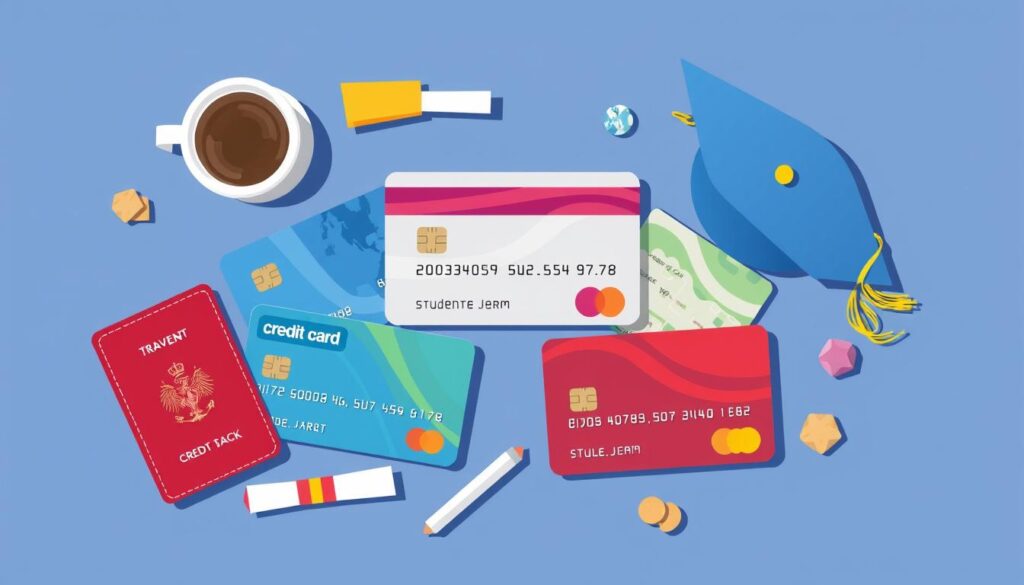
Navigating the world of credit cards is much easier once you understand which type best suits your personal needs. The Discover it® platform offers many options to help you find a perfect match. For example, the Discover it® Cash Back card lets you earn a bonus on your everyday spending through its rotating categories.
If you love to explore, the Discover it® Miles card is a great choice for your next travel adventure or staycation. Those who spend often at gas stations or restaurants might enjoy the Discover it® Chrome. Both options provide different rewards credit structures to fit how you live and shop every day.
Students can begin their financial journey with the Discover it® Student cash back options to earn rewards while learning. If you are starting over, the Discover it® Secured credit card helps you build a solid history with responsible use. Your credit rating determines which credit cards you can get, as some require excellent credit while others accept fair credit.
Standard cash back cards return a percentage of your spending as simple cash rewards. These are ideal if you want straightforward value without tracking points or dealing with complex systems. You can also pick a flat-rate card that provides the same rewards credit rate on every single purchase.
For frequent flyers, travel rewards cards earn miles that you can redeem for flights and hotels. These credit cards often come with a sign-up bonus to jumpstart your next big trip. You can also look for category-specific credit cards that offer higher cash rewards for groceries or streaming services.
Some premium credit cards charge an annual fee but provide high-end perks like airport lounge access. These elite benefits often justify the annual fee for people who travel frequently for work or leisure. You can also find co-branded credit cards that offer special rewards credit perks at specific retail stores.
Business credit cards allow owners to separate personal and work expenses while offering a higher card limit. These accounts help you manage your company while earning cash rewards on your common business spending. Using these different credit cards wisely can help you maximize your rewards credit potential every month.
No matter your choice, always look for the best rewards credit card for your specific budget. Earning consistent cash rewards is a smart way to get more value from your daily card use. Whether you prefer miles or cash back, the right credit card makes a big difference in your financial life.
Always review the annual fee and interest rates before applying for new rewards programs. Comparing rewards credit options ensures you get the most cash rewards possible. Finding the right rewards balance helps you reach your financial goals faster.
Security and Fraud Protection: Credit Card Advantages
One of the biggest reasons to carry a credit card is the robust safety net it provides against unauthorized use. Many issuers, like Discover, offer $0 Fraud Liability to keep your money safe. This means you are not responsible for unauthorized purchases if your card is lost or stolen. You can also get free Social Security number alerts to stay ahead of identity theft and protect your credit.
A major benefit of a credit card is how it handles disputes. If you see a charge you did not make, you can withhold payment while the issuer investigates the fraud. This keeps your actual money safe in your bank account. In contrast, a debit card takes funds directly from you, which can leave you short on cash for bills while waiting for a refund.
Sophisticated fraud detection systems monitor your activity for suspicious behavior. They flag unusual transactions or even decline them automatically to protect your credit. You can also use virtual card numbers for online shopping. This keeps your real card number hidden from hackers during data breaches and protects your personal data.
Beyond security, a credit card offers purchase protection against damage or theft for a set period. Many also include extended warranty programs that add extra time to a manufacturer’s coverage on purchases. These features shield your account from merchant errors and unexpected subscription fees. This layer of insulation is something a debit account simply does not match.
| Protection Feature | Credit Card Advantage | Debit Card Limitation |
|---|---|---|
| Fraud Liability | Often $0 liability for all fraudulent credit card activity. | Limited protection if the theft is not reported fast. |
| Credit Line Safety | Does not pull from your bank account during disputes. | Withdraws funds immediately, reducing available cash. |
| Extra Benefits | Covers purchases with insurance and extended warranties. | Usually does not provide any card insurance perks. |
Navigating Annual Fees and Understanding Card Costs
Understanding the true cost of your plastic means looking closely at the annual fee and other potential charges. Every annual fee varies, ranging from $0 for basic cards to over $695 for luxury options. For example, Discover provides a great choice because they have no annual fee on any of their products.
Evaluating whether a card‘s benefits justify its fee is essential for smart selection. You should calculate the break-even point by comparing the annual fee to the value of rewards you actually use every year. If you do not spend enough to earn back the fee, a no-cost credit card is a better fit for your budget.
| Type of Charge | Typical Cost | How to Avoid It |
|---|---|---|
| Late Payment Fee | $25 – $40 | Set up autopay each month. |
| Foreign Transaction Fees | 3% | Use a card with no travel fees. |
| Balance Transfer Fees | 3% – 5% | Pay off your credit balance directly. |
Many premium products justify their high fees through perks like lounge access or travel credits. These rewards often provide more value each year than the annual fee itself. Some providers even waive the cost for the first year as a promotional offer to attract new credit card users.
Beyond the yearly cost, you must manage your credit responsibly to avoid extra fees. Staying within your credit limit and paying on time keeps your credit card costs low. Always factor these fees into your budget when you apply for a credit card to earn rewards effectively this year.
Credit Limits and Account Management Essentials
When you apply for a credit card, the bank sets a maximum spending limit for your account. This limit represents the most money you can borrow at any given time for purchases. The issuer reviews your credit card application and income to decide this amount. They often pull your credit report, which results in a hard inquiry on your application.
Your credit utilization ratio is a major factor in your financial health. You should keep your balance below 30% of your total limit. For the best results, keeping a balance under 10% helps your score the most. Responsible card use during the application phase shows you can handle a higher limit later.
| Management Feature | Account Impact | Best Practice |
|---|---|---|
| Auto-Pay | Protects credit score | Pay full balance |
| Mobile App Alerts | Tracks purchases | Monitor account daily |
| Limit Increase | Lowers utilization | Wait 6-12 months |
| Statement Review | Finds account errors | Check terms monthly |
Before you finish a credit card application, always read the terms and conditions. These terms explain your APR, annual fees, and the balance transfer terms. Understanding these terms ensures you know how the card issuer manages your account. Following the terms helps you avoid unexpected costs or late fees on your balance.
Monitoring your account through mobile apps is a smart way to track a balance. You can set up alerts to catch fraudulent purchases quickly. Keeping a close eye on your account helps you stay within your budget and limit. Regular reviews of your credit status keep your account in good standing.
Responsible account management includes updating your contact information and alerting the issuer before traveling. Set up automatic payments to cover the minimum due on your card. This protects you from damage if you forget a due date. Always check your application status and account terms to ensure you maximize your card benefits.
Strategic Card Selection for Different Spending Categories
Strategically picking a credit card for each specific category can turn routine spending into significant cash rewards. Many users analyze their monthly bills to see where their money goes. You might find you spend heavily on gas, dining, and groceries every single month.
By using a specialized rewards credit option for these areas, you earn unlimited value on your daily purchases. Some people pair a bonus category card with a flat-rate card for miscellaneous costs. This dual-strategy ensures you always maximize your cash back purchases and cash rewards.
Always check the merchant code to ensure you make qualifying purchases first to secure your rewards. Your rewards credit depends on how a store labels its business in a specific category. You can earn unlimited cash on travel if you choose the right rewards credit product for that category.
Strategic selection helps you earn unlimited cash through focused back purchases in a rotating category. High-spending users prefer a credit card that allows them to earn unlimited cash rewards. These cash back purchases add up quickly when you prioritize your purchases first in each category.
Remember to activate your rotating category perks for your rewards credit card. These bonus rewards often reach 5% for qualifying back purchases. Consistently using your rewards credit for a specific category helps your cash back grow. You should use your purchases first to earn unlimited cash rewards.
Ensure you earn unlimited cash by checking for spending limits in every category. Some cash back purchases are capped, while others offer unlimited cash for your back purchases. Effective cash back purchases require knowing your credit card rules. Use your purchases first to maximize your rewards credit in each category.
Focusing on purchases first in a high-yield category ensures you don’t miss bonus cash rewards. Your rewards will grow when you use a credit card with a dedicated category approach. Travel is a great category for unlimited cash and cash rewards via back purchases.
| Spending Category | Reward Strategy | Potential Benefit |
|---|---|---|
| Travel & Lodging | Rewards Credit Card | Earn unlimited cash rewards |
| Groceries & Gas | Bonus Category Card | High cash back purchases |
| General Purchases | Flat-Rate Credit Card | Unlimited cash on back purchases |
Common Card Usage Mistakes and How to Avoid Them
While cards offer great benefits, specific errors can quickly turn a helpful tool into a financial burden. One common myth is that carrying a balance on your credit card helps your score. In reality, interest on that balance will negate any earned rewards. You build credit just as well by paying your account in full each month. Using a credit card responsibly means avoiding unnecessary interest.
Missing a due date is another major error that results in expensive fees. It leads to late fees and can damage your overall credit profile. To protect yourself, set up automatic payments for at least the minimum amount. This ensures you do not forget and can still take advantage of future financial offers. Applying for too many cards at once also hurts your score by creating multiple hard inquiries.
| Common Pitfall | Financial Consequence | Better Alternative |
|---|---|---|
| Carrying a balance | High interest fees | Pay balance in full |
| Cash transfers | No grace period | Avoid cash transfers |
| Ignoring a bonus | Lost earning potential | Track bonus rules |
Be careful with cash transfers and advances. These transfers usually come with immediate interest and much higher rates. Instead, use your card for regular purchases to earn a bonus. These transfers of funds lack the grace period found with standard purchases. Always read terms to take advantage of a sign-up bonus on new purchases. Remember that these transfers often include extra transaction fees.
Finally, avoid maxing out your credit limit. Keeping a high balance compared to your limit signals financial stress. Try to keep your balance low and check your account weekly to catch fraud. Managing a low balance across every account helps you take advantage of a higher score. Always monitor your card activity to ensure your credit remains secure and healthy. Keeping a low balance on your credit card is the smartest way to manage your debt.
Conclusion
Knowing when to use a credit card versus debit ensures you maximize financial benefits. On this page, you can credit card learn how to manage your account. Choosing the right option for purchases protects you. Use your rewards credit account to take advantage of bonus points.
Earn cash rewards throughout the year by being smart. On this page, we help you card learn how to earn points. Master your credit by reviewing your account often to credit card learn more. Check your account status. Use this credit card learn tool to see cash rewards grow over many days.
Understand that terms keep you in control. On this page, you can card learn about transfers. Monitor your balance closely to avoid interest. A strategic transfer helps manage your credit. A new application for a rewards credit tool brings bonus points.
Your account opening helps you earn points and cash back. This page encourages you to avoid a heavy balance. Use this card learn guide so rewards credit builds wealth. On this page, you can credit card learn about safety every year.
This credit card learn resource helps you find cash back deals. Use this page to refine credit habits and maximize cash rewards. Check your balance daily and card learn about terms before an application. In just a few days, your credit choices pay off.
On this page, you can credit card learn about limits. Reviewing rewards credit activity ensures you never miss cash rewards. Within 30 days, your rewards credit strategy begins. Use this page to take advantage of transfers.
You can card learn and credit card learn here. To card learn more, visit our rewards credit section. Learning to credit card learn is easy. Keep your balance low. Your application for a new credit card yields bonus points. Over the year, points add up to cash rewards.
Check your balance and terms regularly. A new account opening allows you to take advantage of low rates for transfers. Over many days, your credit will improve. Use your card wisely. Every rewards credit tool offers cash back for purchases.
Use your card to keep your balance manageable. Your next account opening should focus on bonus points. Don’t forget to card learn about your balance. Mastering your credit helps you maximize rewards. Managing transfers helps you keep your balance low.
Use your rewards credit to earn more rewards. If you card learn effectively, you win. Finally, use your credit wisely. Reviewing your credit card statement helps you earn points and cash rewards. In the coming days, your knowledge will grow. Use your credit card to grow your credit.
Keep your rewards high. Reviewing an application and account opening takes only a few days. Enjoy your year of points and rewards. Use your card for purchases and card learn always.