Starting a new professional journey feels both exciting and challenging for many people in today’s modern economy. Frisco provides a wealth of unique opportunities for those looking to join established corporations or innovative tech startups. The Texas Workforce Commission works hard to connect residents with stable employment while supporting a strong regional economy.
Transitioning into a different field requires comprehensive strategic planning rather than simple luck. Career changers often face hurdles when exploring Job Vacancies outside their familiar industry boundaries. They must leverage their existing skills to prove they can succeed in a new career environment.
The first step involves a detailed assessment of personal strengths and transferable competencies. This focused process helps candidates present themselves as strong contenders despite a lack of direct experience. It allows professionals to bridge the gap between their historical roles and future ambitions.
This guide explains the framework needed to find success in the competitive American market. Whether someone is searching for jobs frisco opportunities or looking nationwide, these steps offer actionable guidance. It highlights how to utilize regional employment ecosystems and networking to land a dream job efficiently.
- Strategic Planning: Success starts with aligning existing skills with new industry requirements.
- Local Resources: Utilize organizations like the Texas Workforce Commission to find tailored support.
- Competency Building: Bridge experience gaps through targeted training and modern networking methods.
Assessing Your Current Skills and Transferable Experience
Mapping out a professional pivot starts with an honest look at the abilities gained over many years. Job seekers should evaluate every competency they have developed to see how they fit into a new landscape. This self-reflection provides the clarity needed to move forward with purpose.
Conducting a Comprehensive Skills Inventory
Candidates should list their technical abilities, soft skills, and specific achievements. This inventory demonstrates clear value to a future employer, even if the achievements happened in a different sector. Documenting these details helps build a strong case for their candidacy.
Identifying Transferable Skills from Your Previous Career
Skills like leadership and communication are the foundation of any successful career change. Highlighting these patterns in their work history shows how their experience brings fresh perspectives to any organization. These universal talents often matter more than industry-specific knowledge.
| Skill Category | Common Examples | Transferability |
|---|---|---|
| Interpersonal | Communication, Teamwork | Very High |
| Operational | Project Management, Budgeting | High |
| Technical | Software Proficiency, Coding | Moderate |
Understanding Employer Requirements in Your Target Field
Researching job descriptions helps candidates see which skills are currently in high demand. Investing the time to identify professional gaps helps them create a roadmap for further growth. This preparation allows them to talk about their experience with total confidence during the interview process.
Researching Job Vacancies and Target Industries
Navigating a career change becomes much smoother when candidates take the time to investigate specific industry landscapes. They should look at which sectors are growing to avoid wasting energy on shrinking markets. Understanding which employers are actively hiring helps them focus on realistic and achievable goals.
Analyzing Employment Trends in Your Region
Candidates find more success when they study local employment patterns. This information helps them decide if their current location provides enough jobs or if relocation is necessary.
Regional data often reveals hidden opportunities in expanding sectors like technology or healthcare. Identifying these growth areas prevents a person from pursuing oversaturated markets where competition is too high.
Understanding Industry-Specific Qualifications and Experience Levels
Every field has unique entry requirements that candidates must meet. Some roles demand specific certifications or state licenses before a person can even apply for an opening.
Other industries value a strong portfolio or demonstrated skills over formal education credentials. Recognizing these differences early allows a job seeker to build the right credentials before they start the application process.
| Industry Type | Primary Entry Focus | Market Outlook | Key Consideration |
|---|---|---|---|
| Technology | Skill Portfolio | High Growth | Continuous Learning |
| Healthcare | State Licensing | Very High | Shift Flexibility |
| Manufacturing | Certifications | Stable | Technical Aptitude |
Evaluating Salary Ranges and Benefits Packages
Knowing the typical salary range for a specific role helps a candidate negotiate with confidence when an offer arrives. They should research pay scales for different experience levels to set realistic financial expectations.
They also need to compare the benefits offered, such as health insurance, retirement contributions, and work-life balance policies. These perks often vary significantly between industries and can impact long-term career satisfaction.
Connecting with Workforce Development Services
Navigating a career change is much easier when utilizing the robust workforce development programs available in your local area. These specialized services offer a bridge for those transitioning between industries by providing expert guidance and local market insights.
Workforce Solutions for North Central Texas
Workforce solutions for North Central Texas (WSNCT) acts as a primary hub for job seekers in the region. They provide tailored assistance to help candidates find jobs frisco employers are currently hiring for.
Through their portal at dfwjobs.com, individuals can access localized support that accelerates their hiring journey. These resources often include resume reviews and interview preparation to help you stand out.
Texas Workforce Commission Employment Resources
The Texas Workforce Commission (TWC) serves as a vital link between talent and opportunity across the entire state. Their employment initiatives help businesses find skilled workers while giving job seekers the tools they need to succeed.
These programs remain free for candidates, representing taxpayer-funded investments in your future. They provide a wealth of data on target industries and the specific qualifications employers want to see.
Accessing Virtual Job Fairs and Job Matching Services
Attending virtual job fairs is a great way to save time during a busy job search. These events allow candidates to meet multiple employers from the comfort of their homes.
This approach eliminates geographic barriers and makes it easier to explore different industries simultaneously. You can interact directly with hiring managers who are specifically seeking talent for regional positions.
WorkInTexas.com Platform Features

The WorkInTexas.com platform offers sophisticated solutions for matching candidates with the right roles. This system analyzes individual profiles and automatically suggests relevant openings based on skills and preferences.
Career changers find this especially helpful for discovering pathways they may have previously overlooked. The site provides a comprehensive database of roles available throughout the region and beyond.
Building Skills Through Training and Education Programs
Strengthening a professional profile through targeted learning helps candidates stand out in a competitive job market. Acquiring new skills shows a strong commitment to a chosen path. This process also builds immediate credibility with hiring managers in unfamiliar industries.
Finding Government-Sponsored Training Opportunities
Publicly funded initiatives offer a cost-effective way to gain new expertise without heavy financial burdens. Many government-sponsored opportunities focus on high-growth sectors within the regional economy. These services allow individuals to transition between industries while keeping their personal expenses low.
Pursuing Industry-Specific Certifications and Licenses
Certain fields require specific credentials before they consider an applicant for an interview. Obtaining a recognized certification signals that a candidate meets established professional standards. Proper education in these areas ensures that career changers possess the foundational knowledge needed for long-term success.
| Training Path | Duration | Primary Benefit |
|---|---|---|
| Industry Certifications | Weeks to Months | Proven Technical Skill |
| State-Funded Programs | Varies | No-Cost Learning |
| Professional Licenses | Month to Years | Legal Practice Rights |
Accessing Workforce Development Training Programs
Organizations like Workforce Solutions for North Central Texas provide vital information on career pathways. Their workforce development training program options often involve direct collaboration with local businesses. This ensures participants learn the specific skills that regional employers currently demand.
The Texas Workforce Commission also provides employees extensive training as part of their Family Friendly Certified Workplace benefits. These resources help workers bridge the gap between their current abilities and new professional requirements. Accessing these tools simplifies the transition into a rewarding new career field.
Developing Your Multi-Platform Job Search Strategy
A successful transition to a new field often depends on how well a candidate uses various digital platforms. Combining local community boards with global networks ensures they see every possible opening.
Searching Jobs by Experience Level and Industry
The Frisco EDC partners with LinkedIn to help people search for jobs in Frisco by experience level or industry. This specific partnership makes it easier to find entry roles that welcome career changers. Candidates can also find free job listings at friscochamber.mcjobboard.net/jobs through the Frisco Chamber of Commerce.
Setting Up Job Alerts Across Multiple Platforms
Automated alerts save time by sending new positions directly to an inbox. Using smart search filters prevents candidates from missing a great opportunity in a competitive market. These tools allow them to focus on tailoring their resumes rather than manually browsing sites all day.
Creating a Job Search Timeline and Application Tracker
Organizing every application in a tracker helps candidates stay on top of important deadlines. Maintaining a high level of organization makes the search process much less stressful and more productive. A clear timeline ensures they continue to make progress toward their professional goals every week.
| Search Tool | Platform Source | Strategic Advantage |
|---|---|---|
| Regional Board | Frisco Chamber Job Bank | Connects seekers directly with local employers. |
| Partnership Portal | Frisco EDC & LinkedIn | Filters vacancies by specific industry sectors. |
| Organization File | Application Tracker | Monitors follow-up dates and interview status. |
Building Professional Networks in Your New Field
Forging new relationships is the secret weapon for landing a role in an unfamiliar industry. These connections provide insider knowledge that public job boards often miss. Building a strong circle helps job seekers feel more confident during their transition.
Personal ties help bridge the gap between old experience and new goals. Most experts agree that who a person knows matters as much as what they can do. Consistent effort in meeting others leads to faster success.
Joining Career Search Network Groups
The Frisco Connect Career Search Network group meets on the first and third Tuesday of each month. They gather at 9 a.m. at Stonebriar Community Church in Frisco to help people find the latest jobs frisco has to offer. This group provides a supportive team environment for sharing leads and practicing interview skills.
Interested individuals can find more information at search4uinc.com. This resource serves as a vital tool for those who want to stay active in their search. Regular attendance helps maintain momentum and builds lasting professional bonds.
Attending Industry Events and Professional Meetups
Attending local events introduces career changers to the culture and specific language of their target field. These gatherings allow a candidate to meet a potential employer in a relaxed setting. Such interactions are essential for long-term professional development and industry awareness.
Meetups offer a chance to learn about current trends from experts. They also help build familiarity with the key players in the region. Being present at these events makes an application look more credible.
Connecting with Employers Through Chamber Programs
The Frisco Chamber of Commerce connects local talent with every active business in the area. A chamber member often gains access to exclusive resources and direct introductions to hiring managers. These programs help a local employer find qualified candidates who are ready to work.
Chamber events foster genuine conversations that lead to job referrals. They provide a platform where professionals can showcase their value beyond a resume. Engaging with the chamber strengthens a job seeker’s position in the local market.
- Professional networking accelerates career transitions because the majority of jobs frisco offers are filled through personal connections rather than traditional applications.
- Career search network groups provide structured environments where job seekers meet regularly to share leads and support each other through transitions.
- The Frisco Connect Career Search Network group meets twice monthly to connect professionals and share intelligence about specific hiring patterns.
- Attending industry events introduces career changers to the terminology and key players in their target field, making interviews more successful.
- These opportunities enable job seekers to meet representatives in casual settings where genuine conversations can lead to direct job referrals.
- Chamber of Commerce programs connect businesses with talent and provide direct introductions to a hiring team leader.
- Building professional networks requires consistent effort over time because relationship development happens through multiple interactions.
- Career changers should approach networking with interest in learning about the field to build connections that provide care and support throughout their career.
Crafting Applications That Highlight Career Transitions
Moving into a different field demands an application that bridges the gap between old and new skills. Job seekers must pivot away from a basic timeline of previous roles. Instead, they focus on how their specific talents solve a new employer’s problems.
Writing Resumes That Emphasize Transferable Skills
A skills-based resume helps a candidate shine when they lack industry-specific titles. This format organizes work history into competency groups rather than simple dates. It allows managers to see relevant experience immediately.
Creating Cover Letters That Address Career Changes
The cover letter explains the “why” behind a career shift. It tells a story that connects personal passion with professional abilities and goals. Confident letters help eliminate any doubt regarding a candidate’s commitment.
Preparing Application Materials for Different Industries
Every application requires a tailored approach to match a target sector. Using the right terms ensures the candidate presents their experience effectively. This research shows recruiters that the applicant understands their specific business needs.
| Feature | Chronological Style | Functional (Skills) Style |
|---|---|---|
| Primary Focus | Linear work history | Competency and talent |
| Best For | Staying in one field | Career transitions |
| Employer View | Vertical growth | Transferable value |
Utilizing Specialized Job Search Platforms and Resources
Tapping into niche job search resources provides a strategic advantage when navigating a career change. These specialized platforms offer focused access to specific industries and regions. They align better with career transition goals than general employment websites.
Specialized tools provide job seekers with high-quality leads that match their unique skills. Using these resources allows candidates to find employers who are specifically looking for their background. This focused approach saves time and yields better results during a professional pivot.
LinkedIn Partnership Job Search Tools
The Frisco EDC maintains a unique partnership with LinkedIn to assist local candidates. This collaboration allows seekers to filter jobs frisco opportunities by experience level or specific industry. It helps career changers identify positions that match their current qualifications in a new field.
Chamber of Commerce Job Banks
The Frisco Chamber of Commerce Job Bank provides free job search services to the entire community. This platform aggregates current opportunities from local business members throughout the North Texas region. It effectively connects qualified seekers with employers who are actively looking to fill vacant jobs.
Government Job Portals and Platforms
Portals like Governmentjobs.com and WorkInTexas.com specialize in public sector employment. These sites offer comprehensive information about civil service roles at the federal, state, and local levels. They provide deep insights into application procedures and benefits for various state agencies and school districts.
Regional Talent Attraction Campaigns
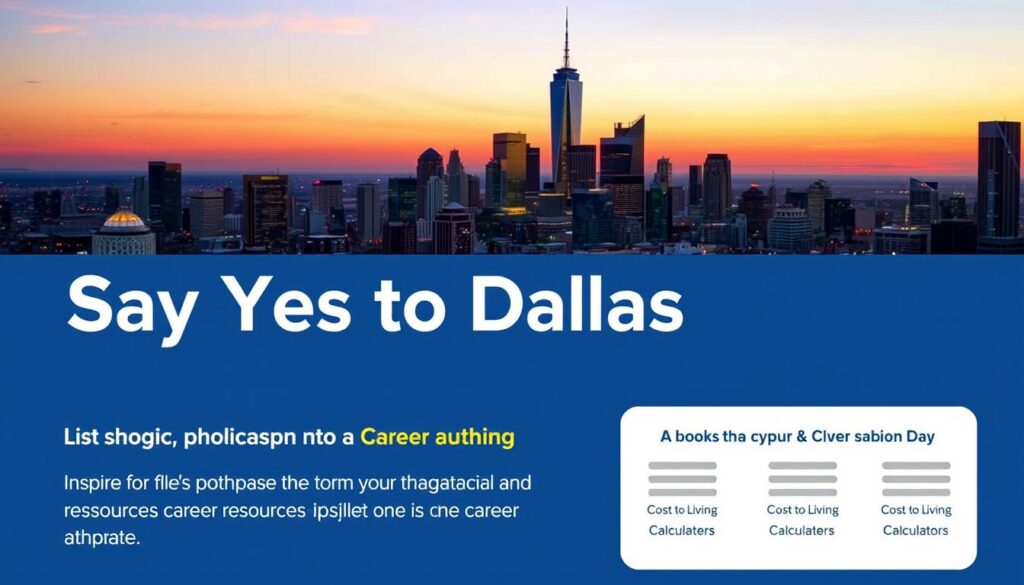
Campaigns like Say Yes to Dallas showcase North Texas as a premier destination for professional talent. They offer specific services and digital tools to help candidates evaluate regional lifestyle advantages. These resources assist seekers in finding jobs while they research the local quality of life.
Preparing for Interviews and Employer Interactions
Successful career changers spend significant time refining how they present their skills to a new employer during the meeting. The care taken during this stage shows a serious commitment of time. This preparation ensures they demonstrate industry knowledge that their resume might not fully capture yet.
Researching Employer Culture and Expectations
Researching the employer culture involves reviewing social media and employee reviews. This step helps a candidate show they belong in the new environment. It also reveals what the organization values most in its team members.
They should look for news coverage and company websites to understand organizational goals. Knowing these details allows an applicant to speak the industry language. It transforms them from an outsider into a qualified peer.
Practicing Responses to Career Transition Questions
Applicants should anticipate specific questions about why they are switching industries. Practicing these questions allows them to focus on how their past experience brings a fresh perspective to the role. They can explain how their background solves current problems.
Confidence comes from rehearsing clear and concise answers. Candidates should address potential concerns about their pivot directly. Highlighting transferable achievements proves they can be productive from the first day.
Understanding Benefits, Salary, and Policy Information
Understanding the full salary and benefits package is vital when evaluating an offer. The Texas Workforce Commission provides a competitive salary and extensive health coverage as a Family Friendly Certified Workplace. This organization prioritizes a healthy work-life balance for all staff.
Additionally, platforms like NEOGOV often collect health data and policy information during the hiring process. Reviewing a work-life balance policy helps ensure the role fits a candidate’s lifestyle. Proper research prevents surprises regarding workplace expectations and advancement.
| Offer Component | Employer Standard | Employee Advantage |
|---|---|---|
| Financials | Competitive Salary | Economic Security |
| Wellness | Health Benefits | Physical Security |
| Workplace | Family Friendly Policy | Improved Life Balance |
Conclusion
Navigating a career change is easier when using the state’s robust employment tools. Transitioning to a new path brings many opportunities for applicants in Texas. Every member of the workforce benefits from quality education and no state income tax to support a family.
After years in one field, a job specialist offers necessary assistance. This professional service guides employees through a specific training program over time. Finding the right role requires persistence and a commitment to personal growth.
A dedicated team helps applicants find meaningful work in sectors like food or technology. Companies prioritize retention to keep their talented employees satisfied. A specialist ensures that every new hire values their health and professional future.
Investing time in professional development ensures long-term health and a stable income. The state provides a family friendly environment for every employee to thrive for many years. Strong retention rates in the food industry and beyond prove that a happy family starts with a great career.