The modern economic landscape presents unique challenges for many households in the United States. Rising costs and market uncertainty make finding a stable way to build financial security more important than ever. Technology and accessible platforms have lowered the barriers to entry for everyone.
Fortunately, the rise of the gig economy and remote work has opened new doors for creative individuals. Transforming a favorite pastime into a legitimate side hustle is now a practical reality for those seeking extra income. This transition allows people to diversify their finances while maintaining their primary business or job.
Leveraging existing skills allows individuals to generate money without the typical burnout associated with a traditional second job. Since these activities align with personal interests, the transition to monetization often feels like a natural progression rather than a chore. Using passions as a foundation makes the work feel inherently rewarding.
While building a steady stream of income requires initial effort and planning, the long-term rewards provide significant stability. This guide explores twelve specific hobby categories and provides actionable steps to start earning money effectively. Readers will learn how to approach their interests with a professional mindset for the best results.
Ordinary people can achieve remarkable success stories through persistence and proper market research. With professional execution and strategic planning, anyone can turn a passion into a reliable source of income. This journey turns casual interests into valuable assets for a brighter financial future.
Understanding the Side Hustle Landscape
Navigating the modern gig economy requires a clear understanding of what distinguishes a true entrepreneurial venture from a traditional second job. A side hustle prioritizes personal autonomy and flexibility above all else. Participants maintain full control over their schedules, pricing models, and the specific projects they choose to accept. This definition encompasses any money-making activity performed outside of regular employment where the individual dictates the scope of the work.
Modern technology has drastically lowered the barriers to entry for aspiring entrepreneurs in the United States. Automation and AI tools allow individuals to manage complex business tasks with minimal effort. Digital platforms provide the necessary infrastructure to reach a global audience from any location with internet connectivity. These ways of connecting with customers have democratized access to various global markets.
The current economic climate encourages the widespread adoption of multiple income streams. Many individuals seek to earn extra money to combat inflation or build a more robust financial safety net. Small business owners also utilize these ventures to balance their income during seasonal revenue fluctuations. This shift reflects a significant trend toward financial diversification and personal resilience.
Transitioning from a hobbyist to a business owner requires a significant psychological shift and a change in mindset. One must begin to view passion projects through a commercial lens to ensure long-term viability. While these ventures offer immense freedom, they still require a dedicated investment of time. Successful participants understand that consistent effort is necessary to generate a reliable income over the long term.
The landscape includes various models, such as service-based tasks, physical product sales, and digital offerings. Each category offers different levels of scalability and initial time commitment. Results often vary based on market demand, niche selection, and strategic execution. A side hustle rarely provides overnight wealth, but it offers a structured path toward professional growth and creative satisfaction.
Assessing Your Hobbies for Profit Potential
Before investing resources into a passion project, entrepreneurs must analyze whether their personal talents align with consumer needs. Starting with established skills makes a side hustle significantly more sustainable over the long term. While many people enjoy various activities, only a few hobbies possess the necessary traits to generate a consistent income.
Maintaining motivation requires a deep connection to the craft. A successful business usually aligns with personal interests to ensure the founder stays engaged during challenging times. Individuals should ask themselves if they enjoy the process enough to repeat it hundreds of times for paying customers.
Thorough research serves as the foundation for any successful venture. It is vital to look at the current market to see what consumers are already buying. High demand indicates that people value the service, but it also means competition is present.
Identifying a specific target audience helps refine the offering. One must determine who would realistically pay for these products and what problems the hobby solves for them. Analyzing competitors allows a person to find unique gaps that others might have missed.
| Assessment Factor | Low Potential | High Potential |
|---|---|---|
| Expertise Level | Basic Hobbyist | Advanced Specialist |
| Market Demand | Limited Interest | Proven Consumer Need |
| Growth Ability | Low Scalability | High Growth Potential |
| Profit Margins | High Material Costs | Low Overhead/High Value |
Scalability is another crucial factor to consider early on. Some hobbies are difficult to grow because they rely entirely on manual labor or rare materials. Assessing the potential for income growth helps a person decide if the effort is worth the eventual reward.
Finally, calculating profit margins is a practical necessity. One should compare the cost of materials and time against what people will pay. This exercise ensures the hobby remains a profitable endeavor rather than an expensive chore.
Setting Up Your Side Hustle for Success
Launching a profitable side hustle necessitates more than just passion; it demands a structured approach to business operations. Most successful ventures require significant setup effort before they generate their first dollar of revenue. Aspiring entrepreneurs must first address legal requirements, such as business registration and tax obligations, to ensure full compliance.
Establishing a professional infrastructure is the next vital step. This includes opening separate banking accounts to keep personal and professional finances distinct. Basic bookkeeping systems and organizational tools are essential for maintaining a clean record of every transaction from the very start.
A credible online presence serves as a digital storefront for any new venture. Creating a professional website or a digital portfolio significantly increases credibility with potential customers. This allows creators to showcase their skills in a space they fully control.
Choosing the right platform to host services or products is equally important for long-term growth. Technology tools, including AI and automation software, can help reduce the manual work required to keep things running. These systems allow the owner to focus on quality rather than administrative tasks.
Effective management of limited hours is crucial for those balancing a full-time job. A clear time allocation plan helps prevent burnout while ensuring consistent progress on the project. Successful individuals often use scheduling apps to protect their personal life and maintain high productivity.
Initial investment considerations are also part of the early setup phase. Understanding startup costs helps minimize financial risk while testing the market for a specific hobby. Many choose to start small, reinvesting early profits to fund future growth without taking on significant debt.
Before the official launch, developing a robust strategy is mandatory. This plan should include realistic pricing models and specific marketing approaches for the target audience. Setting clear goals for the first year allows for measurable growth and keeps the focus on sustainability.
Reliable systems for customer communication and payment processing create smooth operational workflows. When these processes are clear, the entrepreneur can provide a better experience for every client. Investing time into these foundational steps helps transform a simple hobby into a lasting and professional enterprise.
1. Turn Your Writing Hobby Into Freelance Content Creation
Transforming a weekend writing habit into a profitable venture requires a strategic approach to client acquisition and brand positioning. Enthusiasts who enjoy crafting stories or explaining complex ideas can find several paths to a steady income. This transition involves moving from writing for pleasure to solving specific communication problems for others.
The first step involves building a professional portfolio that showcases diverse writing styles. New freelancers often create sample pieces for technical documentation, grant proposals, or ghostwritten blog posts to prove their range. Sharing these samples on a personal website or a polished LinkedIn profile attracts the attention of major companies looking for talent.
Specializing in a niche often allows writers to command much higher rates. Specialized content such as financial reporting, legal writing, or SEO-optimized web copy requires a deeper level of expertise. By focusing on these high-value areas, a writer moves away from low-cost gigs toward premium contracts.
Popular digital platforms like Upwork, Freelancer, and Fiverr provide a gateway for beginners to find their first clients. These sites help writers manage their projects and secure payments while they build a reputation. Over time, these initial jobs help create a track record that leads to a more consistent income.
Modern creators often use AI writing tools to assist with research, outline generation, and basic grammar checks. However, the most successful freelancers ensure their unique voice and original insights remain the core of every piece of content. Human creativity and emotional intelligence are the qualities that clients value most in a professional partnership.
Success also depends on active marketing and identifying the specific needs of target industries. Writers should research their potential clients to understand their tone, audience, and goals. Communicating a unique value proposition helps a freelancer stand out in a crowded marketplace.
Generating a reliable income requires balancing creative work with administrative tasks like managing deadlines and revisions. Professionalism in every interaction ensures that one-time projects turn into long-term partnerships. Providing high-quality content consistently is the best way to grow a freelance business from a simple hobby.
2. Transform Photography Skills Into a Revenue Stream

Many individuals possessing a keen eye for detail and a camera can successfully transition from taking snapshots to earning a steady income. Establishing a photography business requires more than just a talent for composition. It involves identifying specific market needs and matching technical skills to those demands.
Photographers often start by offering services for local events or private portrait sessions. These opportunities provide immediate feedback and help generate a reliable income stream. Covering weddings, graduations, or family reunions allows a creator to sharpen their timing and lighting skills in real-world settings.
Commercial niches also offer significant growth potential for those with a specialized focus. Real estate agents frequently need high-quality interior shots to market properties effectively. Similarly, e-commerce brands require professional product imagery to attract new clients and increase online sales.
A vital step in this journey involves building a diverse professional portfolio. This collection should showcase a range of subjects and lighting conditions to prove versatility. Many photographers use social media, particularly visual-heavy sites like Instagram, to act as a living gallery for their best work.
Investing in equipment is necessary but should remain focused on a chosen niche. A portrait photographer might prioritize prime lenses with wide apertures for a soft background blur. Conversely, an architectural photographer needs wide-angle lenses to capture entire rooms without distortion.
Passive earnings provide another layer of financial security through platforms dedicated to licensing content. By uploading high-resolution images to stock photography websites, creators can earn royalties every time someone downloads their work. This strategy turns archived photos into a source of recurring revenue over time.
Setting appropriate prices is essential for long-term sustainability in the creative industry. Professional photographers must account for session time, extensive editing hours, and equipment maintenance. Understanding local market rates ensures that services remain competitive while still reflecting the true value of the artistic work.
Teaching others is a final way to monetize photography knowledge. Experienced shooters can host weekend workshops or sell digital guides on camera settings and post-processing techniques. Sharing expertise not only builds authority but also diversifies the ways a hobby generates profit.
3. Convert Crafting Abilities Into an Online Shop

Turning a crafting hobby into a sustainable source of income requires a strategic approach to sales. Modern creators no longer need physical storefronts to reach customers across the globe. They can build a professional business from a home studio by leveraging digital tools and marketplaces.
Choosing between various e-commerce platforms is the first major decision for any maker. Etsy offers a massive marketplace of shoppers specifically looking for unique, handmade goods. In contrast, Shopify allows for a fully branded online experience with custom themes and dedicated web domains.
Managing inventory is often the biggest challenge for new sellers entering the market. Many artisans start with a made-to-order model to reduce upfront financial risks. This approach ensures they only create specific products after a customer has officially placed an order.
Others choose to produce items in small batches to ensure faster shipping times. If a creator wants to scale quickly, they might explore print-on-demand services for certain designs. This method removes the need to store physical inventory in a home or rented warehouse space.
Visual appeal is the cornerstone of any successful shop in a digital environment. High-quality photography makes handmade products look professional and builds trust with potential buyers. Creators should use natural light and simple backgrounds to highlight every fine detail of their work.
Pricing requires a careful calculation of all expenses involved in the production cycle. Makers must account for raw materials, their hourly labor, and specialized packaging. They also need to include marketplace fees to keep their products profitable and competitive in the long run.
Marketing is essential for driving consistent traffic to a new digital storefront. Sharing behind-the-scenes videos on social media platforms builds a strong connection with the audience. Engaging with followers helps transform casual browsers into loyal, repeat customers who value handmade quality.
As the venture grows, the creator might face difficult scaling decisions. They must decide between maintaining small-batch production or outsourcing some assembly tasks. Successful owners focus on items they enjoy making that also meet a high market demand.
Participating in virtual craft fairs can also boost brand visibility during peak shopping seasons. Collaborating with influencers in a specific niche provides social proof and reaches new demographics. A well-managed store provides both creative fulfillment and a reliable, growing revenue stream for the artisan.
4. Monetize Your Cooking and Baking Passion

Many people discover that a love for baking bread can evolve into a profitable home-based business. Culinary enthusiasts have several ways to start. They might offer meal prep services or create custom desserts for special events. These ventures allow individuals to share their talent while generating a consistent secondary income.
Before selling any food, it is vital to understand local health regulations and licensing. Most regions in the United States follow cottage food laws. These rules dictate what types of food someone can safely produce in a private home kitchen. Some creators may eventually need to rent space in a commercial kitchen to meet higher safety standards as they grow.
High-quality visual presentation is a major driver of sales in the food industry. Investing time in mouth-watering food photography helps attract new customers through social media and websites. A well-plated dish or a beautifully decorated cake serves as its own best advertisement. Clear images build trust before a client ever takes a bite.
Pricing products correctly is essential for maintaining a healthy income. One must carefully track the costs of premium ingredients, packaging, and delivery fees. Additionally, charging for preparation time ensures that the labor involved is properly rewarded. Profitable margins are only possible when every hidden expense is accounted for in the final price.
Finding the first few customers usually starts within a person’s existing social circle. Friends and family members often provide the first testimonials and word-of-mouth referrals. Hosting small sampling events or joining local farmers markets can further expand the reach to a broader audience. These face-to-face interactions help establish a loyal local following.
To scale, a culinary entrepreneur might consider teaching others through digital services. Developing an online curriculum allows for reaching a global audience without the overhead of physical production. This approach diversifies the revenue stream and establishes the cook as an expert in their specific niche. It also reduces the physical demand of constant cooking and baking.
Leveraging customer testimonials and reviews builds the trust necessary for long-term success. Happy clients who share their experiences on local forums or social platforms act as brand ambassadors. This organic growth is often more effective than paid advertising for small-scale food ventures. Consistent quality ensures that these referrals continue to flow in over time.
5. Turn Gaming Expertise Into Streaming Income

Enthusiasts can now leverage their gaming mastery to create lucrative digital careers on global broadcasting sites. Transforming a hobby into a professional income stream requires a blend of technical skill and an entertaining personality. This transition moves a player from casual play to active business management.
The current digital landscape offers several gaming streaming platforms for creators to showcase their talents. Twitch remains a top choice for live interaction, while YouTube Gaming provides excellent tools for sharing recorded content. Each site has unique features that help players reach different types of viewers around the world.
Success in this field involves more than just playing games well. Creators must invest in high-quality equipment like clear microphones, HD cameras, and stable internet connections. Professional audio and lighting significantly improve the viewer experience and help a channel stand out in a crowded market.
Building a dedicated audience is the most vital part of the journey. This requires a consistent schedule so viewers know exactly when to tune in for live sessions. Strong engagement during the stream fosters a sense of community that encourages fans to stay loyal over many months.
Establishing a steady income involves using several different monetization features at once. Advertisements and monthly subscriptions provide a baseline, while direct donations and brand sponsorships offer more growth. Some players even offer specialized coaching services or compete in professional esports tournaments to boost their earnings.
Promotion often extends beyond the primary streaming site to gain more visibility. Using social media helps an audience find a streamer’s schedule and see highlights from recent games. This multi-channel approach helps in capturing a wider demographic of people who might not see the live broadcast.
Aspiring streamers should understand that real growth requires a lot of time and effort. Most successful creators spend months building their brand before they see any significant financial results. Focusing on a specific game niche or a unique commentary style can help a new player navigate the saturated market.
Consistency remains the most vital factor for those looking to produce high-quality content. By staying dedicated and interactive, gamers can successfully transition from casual play to a profitable professional venture. Persistence is the key to turning a weekend passion into a primary source of revenue.
6. Transform Fitness Activities Into Coaching Opportunities
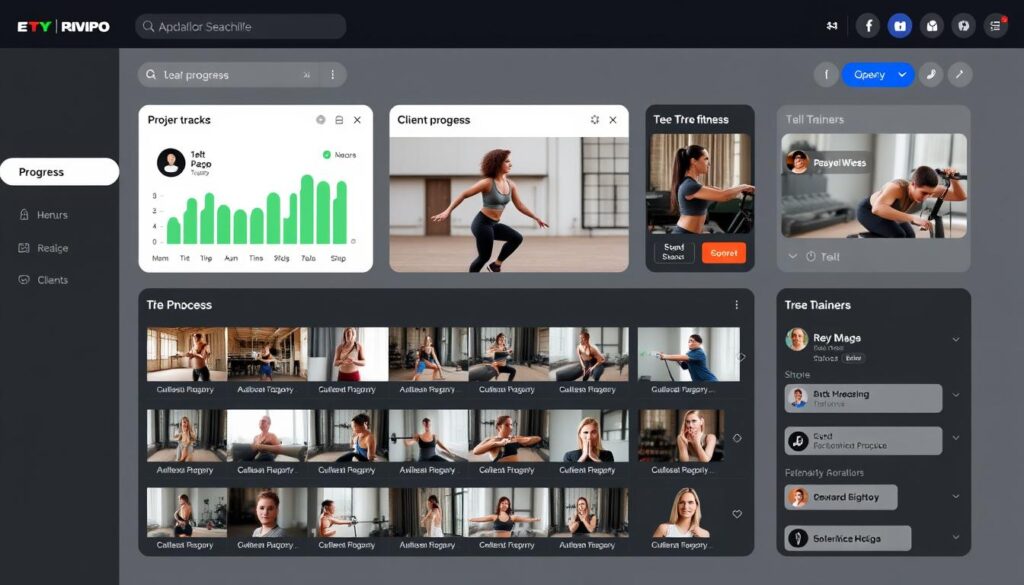
Building a fitness brand allows dedicated gym-goers to share their expertise and earn a significant income through coaching. Fitness enthusiasts often discover they can turn their personal gym habits into a professional service. By teaching classes or sharing content, they reach many people seeking health improvements.
Professional certifications from recognized organizations like NASM or ACE increase credibility significantly. These credentials allow coaches to charge higher rates for their specialized knowledge. Establishing professional authority is the first step toward a successful and sustainable fitness business.
Modern online fitness coaching platforms allow trainers to reach clients across the globe. This removes the limitations of local geography and helps scale the business rapidly. Trainers can work from anywhere while managing their daily schedules through digital tools.
Specializing in a specific niche often leads to premium pricing for your services. Coaches may focus on weight loss, strength training, senior fitness, or post-pregnancy recovery. Niche expertise makes a coach stand out in a crowded digital marketplace.
Successful models include one-on-one sessions, group classes, or online program subscriptions. Subscription models allow coaches to serve many clients at the same time. This builds a scalable income stream that does not rely solely on trading hours for dollars.
Developing structured programs is essential for delivering consistent results to your followers. Trainers should include formal assessment protocols and progressive training cycles in every plan. Strong accountability systems help retain people and ensure they meet their long-term goals.
Pricing strategies should consider session frequency, certification level, and local market conditions. Group training often offers a more affordable entry point for new clients. Meanwhile, private sessions remain the gold standard for personalized attention and higher income.
Effective marketing involves sharing before-and-after transformations and verified client testimonials. Offering a free consultation helps build trust with potential leads before they commit. Training routines and valuable video content demonstrate real-world expertise to the public.
Building a digital business involves using automated coaching platforms and video libraries. These tools help deliver content efficiently without constant manual intervention from the coach. Online resources ensure that the business grows even when the trainer is not on the gym floor.
By leveraging modern software, coaches can focus on strategy rather than administrative tasks. Digital memberships provide a way to help hundreds of individuals at once without burning out. This approach transforms a weekend hobby into a robust professional enterprise.
7. Convert Gardening Knowledge Into Multiple Revenue Streams
Gardening experts can unlock many financial opportunities by using their deep knowledge of local plants. This specialized understanding allows them to generate steady income by offering both expertise and physical products. Success in this field usually begins in a personal garden but quickly branches into several commercial paths.
Selling heirloom seeds and rare plant varieties is a popular method for starting a side business. Entrepreneurs can reach buyers through local farmers markets or digital marketplaces. Building wholesale partnerships with local flower shops also helps move inventory during peak growing seasons.
Experts can also provide specialized services like landscape consulting or vegetable patch design. Many homeowners look for professional help with native plant landscaping and organic pest control. These professional ways of sharing knowledge often lead to long-term contracts and stable seasonal revenue.
Seasonal changes require smart planning to keep money flowing throughout the entire year. During the winter, owners can sell digital products like planting guides or host indoor seed-starting workshops. Using beautiful photos of thriving plants on social media helps build a strong reputation that lasts during the off-season.
Pricing gardening offerings requires a clear understanding of production costs and labor. A business owner must calculate the cost of soil, seeds, and water, along with the time spent on daily care. Rare plant varieties or medicinal herbs often yield higher margins because they are harder to find in big-box stores.
| Revenue Stream | Primary Channel | Effort Level | Seasonality |
|---|---|---|---|
| Plant Sales | Farmers Markets | High | High |
| Consulting | Direct Contact | Medium | Low |
| Maintenance | Local Referrals | High | Medium |
| Content Creation | Online Platforms | Medium | None |
Establishing a brand identity is essential for long-term growth and customer loyalty. Sharing tips on soil health through a blog or newsletter builds significant trust with potential clients. Once a gardener proves their skill, they can transition into high-ticket landscape design projects or speaking engagements.
Developing a direct-to-consumer model allows for better control over the customer experience and branding. By skipping the middleman, gardeners retain more of their total income. This approach works exceptionally well for subscription-based services like weekly flower deliveries or curated vegetable boxes.
Teaching workshops provides another excellent path for expanding a small gardening business. Local community centers often look for experts to lead classes on composting, pruning, or urban farming. These events help build a local network while adding another source of revenue to the overall business model.
8. Turn Music Skills Into Teaching and Performance Income

Musicians can transform their melodic talents into a thriving business by teaching others or performing at local events. Teaching music provides a steady and reliable stream of income for many artists today. Many professionals now use online music teaching platforms to reach students across the entire globe.
These digital tools make it easy to manage complex schedules and handle payments without local geographic limits. Using diverse skills allows a musician to earn through various channels and formats. They can offer one-on-one lessons in person or through high-quality video calls using modern software.
Rates for these private sessions often depend on the specific instrument and the teacher’s professional background. For instance, a specialist in classical piano might charge more than a beginner guitar instructor. Teachers should also consider the local market or global averages when they set their hourly prices.
Establishing a solid reputation is vital for attracting new students in a competitive market. Artists should record high-quality sample videos to showcase their skills and unique teaching style. Offering a free trial session helps build trust with potential clients who might feel hesitant to commit. Providing testimonials from happy learners further strengthens their professional image.
Beyond the classroom, performers find income through live gigs and local entertainment opportunities. Wedding ceremonies, corporate gatherings, and local restaurants always need professional live entertainment to set the mood. Virtual performances on streaming sites also offer a modern way to reach a worldwide crowd from home. Session work for other artists or local recording studios provides another lucrative path for talented instrumentalists.
Sustainable growth comes from mixing active and passive income sources to ensure financial stability. Musicians can license their original songs for use in movies, podcasts, or digital advertisements. This creates recurring royalties that continue to pay long after the initial recording work ends. Mixing live lessons with these digital assets builds a robust financial foundation for any creative professional.
By diversifying their efforts, musicians ensure they do not rely on a single source of revenue. Balancing the energy of a live stage with the focus of a classroom creates a rewarding career. With the right digital tools, anyone can turn their musical passion into a profitable and sustainable side hustle.
9. Transform DIY and Home Improvement Skills Into a Service Business
Turning your passion for home improvement into a professional venture allows you to monetize practical skills while helping others maintain their properties. A service-based business typically requires less upfront investment than selling physical products. It relies primarily on tools you likely already own and the specialized work you can perform.
Many homeowners lack the time or expertise required for minor repairs and general maintenance. This gap creates high demand for professional services like furniture restoration and custom home organization. Providing these specialized tasks allows experts to build a solid reputation within their local community quickly.
Legal considerations are essential when starting this type of manual work. Owners must research local licensing requirements and obtain proper insurance to protect their assets. These steps ensure the home improvement venture operates safely and meets all professional standards.
Setting the right rates is crucial for long-term profitability and sustainability. Professionals often choose between charging by the hour or offering fixed prices for specific projects. Accurately estimating the time and materials required helps maintain healthy margins while remaining competitive in the market.
Effective marketing often starts with showcasing visual results to prove your expertise. High-quality before-and-after photos prove your capabilities to potential clients instantly. Using neighborhood platforms and community groups helps attract nearby residents who need reliable and local assistance.
Delivering a professional experience leads to positive reviews and repeat home visits. As demand grows, a solo operator might consider hiring assistants or managing a small team. Scaling the business requires maintaining high quality standards while overseeing multiple ongoing projects for various clients.
| Service Category | Example Tasks | Essential Equipment |
|---|---|---|
| Handyman Tasks | Drywall repair, mounting | Power drill, hand tools |
| Furniture Work | Refinishing, painting | Sanders, quality brushes |
| Organization | Closet systems, shelving | Measuring tapes, levels |
| General Repairs | Leaking faucets, lighting | Wrenches, voltage testers |
10. Monetize Your Social Media Presence and Content Creation

Content creators can now leverage their digital footprint to generate significant annual earnings through diverse monetization models. This transition involves moving beyond casual posts to a structured business approach. Modern individuals use their personal brand to build trust with a specific community.
Influencer marketing platforms connect these individuals with brands looking for authentic promotion. While many people focus strictly on follower counts, high engagement rates often provide better results. Success in this field depends heavily on audience loyalty rather than just raw numbers.
Different platforms require unique strategies to maintain growth and relevance. YouTube serves as a hub for long-form video, while Instagram and TikTok dominate visual and short-form content. Creators also use Substack to build direct relationships through email newsletters.
According to ZipRecruiter, sponsored content creators in the United States earn an average of $116,615 annually. This substantial income flows from various channels like advertising, sponsorships, and affiliate marketing. Professional creators often manage multiple streams to ensure financial stability.
Building a sustainable social media business requires consistent posting and high-quality production. Authenticity remains the most critical factor for long-term growth. Followers quickly detect and reject disingenuous endorsements that do not align with a creator’s true values.
Aspiring influencers should develop a professional media kit to showcase their audience demographics. This document helps in negotiating fair compensation for promotional posts and brand partnerships. Demonstrating clear value to brands is essential for securing high-paying contracts.
Beyond brand deals, many individuals sell digital products or subscriptions to their followers. This diversification protects their income from algorithm changes and fluctuating brand budgets. It allows them to maintain creative control over their social media presence.
Professional creators treat their accounts as media companies rather than personal diaries. They use analytics to track what their content achieves and how it impacts their overall reach. This data-driven mindset separates hobbyists from those who build a lasting career online.
11. Turn Pet Care Knowledge Into a Profitable Service

If you have a natural way with animals, providing professional pet care services can become a highly successful side hustle. Many people treat their animals as family members and search for reliable caretakers while they work or travel. This emotional connection creates a massive market for those who understand animal behavior and safety.
You can generate a consistent income by offering simple tasks like dog walking or 30-minute drop-in visits. Utilizing pet sitting platforms like Rover or Care.com helps you connect with local owners quickly. These websites handle the logistics, allowing you to focus on the animals themselves.
Setting competitive rates is vital for attracting your first few clients in a crowded market. Data shows that pet sitting averages $20 to $30 per day for short visits. If you offer overnight boarding in the owner’s home, you can earn between $45 and $75 per night.
Establishing trust is the most important part of this business model. Most owners require background checks and proof of animal handling experience before hiring someone. Obtaining professional insurance is also a smart move to protect yourself from liability during emergencies.
You can increase your income by specializing in niche areas like senior animal support or administering medications. Providing extra value through grooming or basic behavioral training can justify higher fees. Clear communication with owners regarding scheduling and boundaries ensures long-term success.
Marketing your pets related business often starts with word-of-mouth and local flyers. However, maintaining a strong profile on digital platforms ensures a steady stream of new leads. By treating every animal with respect, you build a reputation that sustains your side business for years.
Managing the logistics of a pet-focused business requires a digital calendar to track multiple appointments. You must stay organized to ensure no animal is left waiting. Strong communication skills are necessary for sending photo updates to anxious owners.
This level of professionalism separates a casual hobbyist from a dedicated service provider. Whether you offer mobile grooming or behavioral training, focusing on quality will help your business grow. Consistency is the key to turning a love for animals into a sustainable financial win.
12. Convert Tech Skills Into Consulting and Freelance Services

The digital landscape provides numerous opportunities for those with the expertise to solve complex technical problems for others. Technology enthusiasts can generate significant income through web development, software consulting, and IT support. These specialized skills allow individuals to build a sustainable side business that fits into a weekend schedule.
Modern companies often require external help for app development and data analysis. These companies look for experts who can handle specific projects without the need for a full-time hire. By offering niche technical services, a freelancer can command premium rates that reflect the value of their specialized knowledge.
Building a professional portfolio is a critical step in this journey. They should include completed projects, code samples, and detailed case studies to demonstrate their capabilities to potential clients. A strong portfolio acts as proof that they can handle the technical challenges a business faces, from cybersecurity to database management.
Remote work opportunities in the tech industry make it easy to serve clients around the world. This global reach means a specialist is not limited by their local economy. They can find high-paying assignments from the comfort of their home using various freelance consulting platforms.
Success in technical consulting also requires choosing the right pricing model. Many choose hourly rates for IT support, while others prefer project-based pricing for software integration. Some even establish monthly retainer agreements for ongoing maintenance and high-level services.
Finding the first few clients often involves networking within tech communities or using direct outreach. Creating technical content, such as blog posts or video tutorials, also helps maintain visibility. This strategy positions the individual as a thought leader in their specific technical field.
The technology landscape changes rapidly, so staying current is mandatory for long-term success. They must regularly update their knowledge to remain marketable as industries adopt new tools and platforms. Continuous learning ensures that the services offered remain relevant and highly effective in a competitive market.
Maximizing Your Extra Income Potential
Transforming a basic hobby into a robust financial engine requires a new perspective. Adding a diverse income stream provides essential safety for any entrepreneur. It protects a person from unexpected financial setbacks and market changes.
By stacking multiple ways to earn, individuals ensure they do not rely on a single source of money. This diversification creates a strong foundation for long-term success. It allows the business to survive even if one area slows down.
Many successful creators build passive income elements within their existing businesses. They often develop digital products like templates or launch helpful online courses. These assets require work at the start but pay off later.
These passive income methods generate recurring income with very little daily maintenance. The initial work continues to provide value for many months or years. It is a smart way to scale without adding more chores.
A photographer can expand their reach by offering stock photos and affiliate marketing. They create a passive income revenue stream that works while they sleep. This strategy lets them maximize their total potential without working more hours.
They might also teach classes or sell editing presets to other local artists. This approach uses existing skills to reach different types of customers. It turns one hobby into several profitable activities at once.
Pricing techniques also help increase extra cash flow for growing businesses. Testing different prices helps identify what customers really want to buy. Small changes in pricing can lead to much larger profits over time.
Owners should create tiered service levels to offer different values to their clients. As expertise grows, it justifies a higher price that brings in more income per client. Premium positioning helps the business stand out from cheaper competitors.
Reinvesting earnings back into the business speeds up future income significantly. Putting funds toward better tools or professional marketing creates a cycle of growth. This method ensures the business remains modern and efficient.
This strategic investment turns a small project into a professional career. Learning new skills also keeps the business ahead of the competition. Better equipment often allows for faster work and higher quality results.
The power of a side hustle comes from long-term wealth and stability. This happens when a person treats their weekly earnings as a smart investment. It is about looking at the future rather than just today.
They should not spend all the money immediately on personal items. Establishing a passive income source early gives money more time to grow through compounding. Compound growth is a powerful tool for building real wealth.
Leveraging current assets can create even more passive income opportunities. Repurposing content across many platforms reaches new people and builds a stronger brand. It saves time by using the same ideas in different ways.
People can also offer complementary services to their current client base. A diversified income structure builds a safety net for the future. It ensures that a hobby provides both joy and lasting financial freedom.
Avoiding Common Side Hustle Pitfalls
Avoiding common side hustle pitfalls is essential for anyone looking to turn a weekend hobby into a lasting income source. Many entrepreneurs launch their ventures with high spirits but fail to plan for the inevitable challenges of business ownership. Recognizing these traps early allows individuals to build a more resilient and professional operation.
One frequent mistake is having unrealistic expectations about how quickly a business grows. Building a profitable hustle usually takes several months of consistent work before reaching a steady flow of money. Most passive income streams require a significant upfront investment of energy before they become truly hands-off.
Pricing errors can also damage a new venture’s reputation and financial health. Creators should make sure to account for all expenses and the value of their time when setting rates. Charging too little might attract customers initially, but it often leads to low profit margins and exhaustion.
| Common Pitfall | Business Impact | Strategic Solution |
|---|---|---|
| Underpricing Services | Reduced Profitability | Conduct Market Research |
| Neglecting Taxes | Legal Penalties | Separate Personal Finances |
| Overcommitment | Rapid Burnout | Set Strict Work Hours |
| Poor Marketing | Lack of Growth | Gather Customer Reviews |
Financial and legal oversights often cause unnecessary stress for beginners. Failing to track money accurately or ignoring tax obligations can lead to significant penalties later. Professionals who treat their side hustle like a real business from day one are much more likely to succeed.
Effective time management is another hurdle that requires careful attention. Overcommitting to every request can lead to a decline in quality and personal burnout. It is better to maintain a steady hustle rhythm that fits comfortably within a weekly schedule.
Inconsistent branding and poor customer service can quickly drive away potential clients. New business owners should follow professional tips such as creating a cohesive visual identity across all platforms. Building credibility through reviews and testimonials helps establish long-term trust in the marketplace.
Maintaining momentum during slow periods requires a lot of discipline and support. Entrepreneurs should set small milestones and celebrate every win to keep their spirits high. These tips provide the foundation for a sustainable business that thrives well beyond the initial launch phase.
Tools and Platforms to Support Your Side Hustle

Choosing the right digital resources is the foundation for turning a hobby into a professional venture. Using specialized platforms allows creators to focus on their craft instead of administrative chores. These tools provide a clean interface that builds trust with every new customer. Efficiency is the secret to growing any creative project.
E-commerce giants like Shopify and Etsy offer ready-made storefronts for those selling physical goods. For service-based ventures, freelance marketplaces such as Upwork or Fiverr connect experts with global clients. These digital platforms handle the heavy lifting of web hosting, security, and site management.
Seamless technology is vital for getting paid on time without any stress. Payment processors like PayPal and Stripe offer secure ways to handle international transactions. Many business owners prefer integrated systems that link directly to their accounting software for easier tax preparation. Secure payments ensure a professional experience for every client.
Customer relationship management systems help track every lead and conversation you have with buyers. These platforms ensure no detail falls through the cracks when you are juggling multiple projects. It allows for a more personalized experience for every person who interacts with the brand. Organization is the key to securing repeat business.
Automation plays a huge role in saving precious hours during a busy work week. Scheduling tools like Calendly eliminate the endless back-and-forth emails when setting up appointments. Clients can simply view a calendar and pick a slot that works for everyone instantly without any manual effort.
Marketing automation can also handle social media posts and email campaigns via software like Buffer or Mailchimp. This keeps the business visible online without requiring constant manual updates. It ensures a consistent presence even when you are busy with your primary full-time job.
Project management apps like Trello or Asana keep tasks organized and deadlines clearly visible. These systems help maintain high-quality deliverables when you are handling several clients at once. They turn chaotic to-do lists into clear, actionable steps for daily progress and long-term success.
Finally, AI technology enhances productivity by generating content ideas or editing images with tools like Canva. Chatbots can even provide basic customer support outside of normal working hours. This level of efficiency keeps the side hustle running smoothly around a full-time schedule without causing burnout. Leveraging modern software is the fastest way to achieve professional results.
Conclusion
Transforming weekend activities into a source of revenue is an achievable goal for any motivated person. This guide proves that turning personal interests into a side hustle is a realistic path to earning extra income. Success requires treating these activities with a professional mindset rather than viewing them as simple distractions. Proper planning ensures that a favorite hobby generates real value in the modern marketplace.
Ambitious creators should choose one or two hobby categories that align with their specific resources and skills. They must commit to a systematic implementation plan over the coming months to see lasting results. Building a steady income from a favorite pastime takes time and dedicated effort. Initial efforts may feel slow, but consistent work builds a foundation for long-term growth.
While early earnings might seem modest, these efforts eventually compound into significant amounts of money. Starting early allows more time for this financial growth to accelerate. Creating a new revenue stream is a great way to protect the financial side of a household budget. Consistency remains the most important factor in turning a small project into a thriving business venture.
People must adapt their strategies based on market feedback and changing personal needs. They should refine their skills to keep the flow of money consistent and strong. Some hobbyists can eventually transition their active work into passive income sources. Developing passive income provides long-term stability for the future. Focusing on passive income allows for more freedom while the business grows independently.
Ordinary people use these ways to build extraordinary wealth every day through dedication. Every successful hustle begins with a single step toward a larger financial goal. Multiple streams of income provide the resilience needed for true independence. With patience, a hobby can become a reliable income source. Consistent application of these strategies leads to a more profitable income over time.